
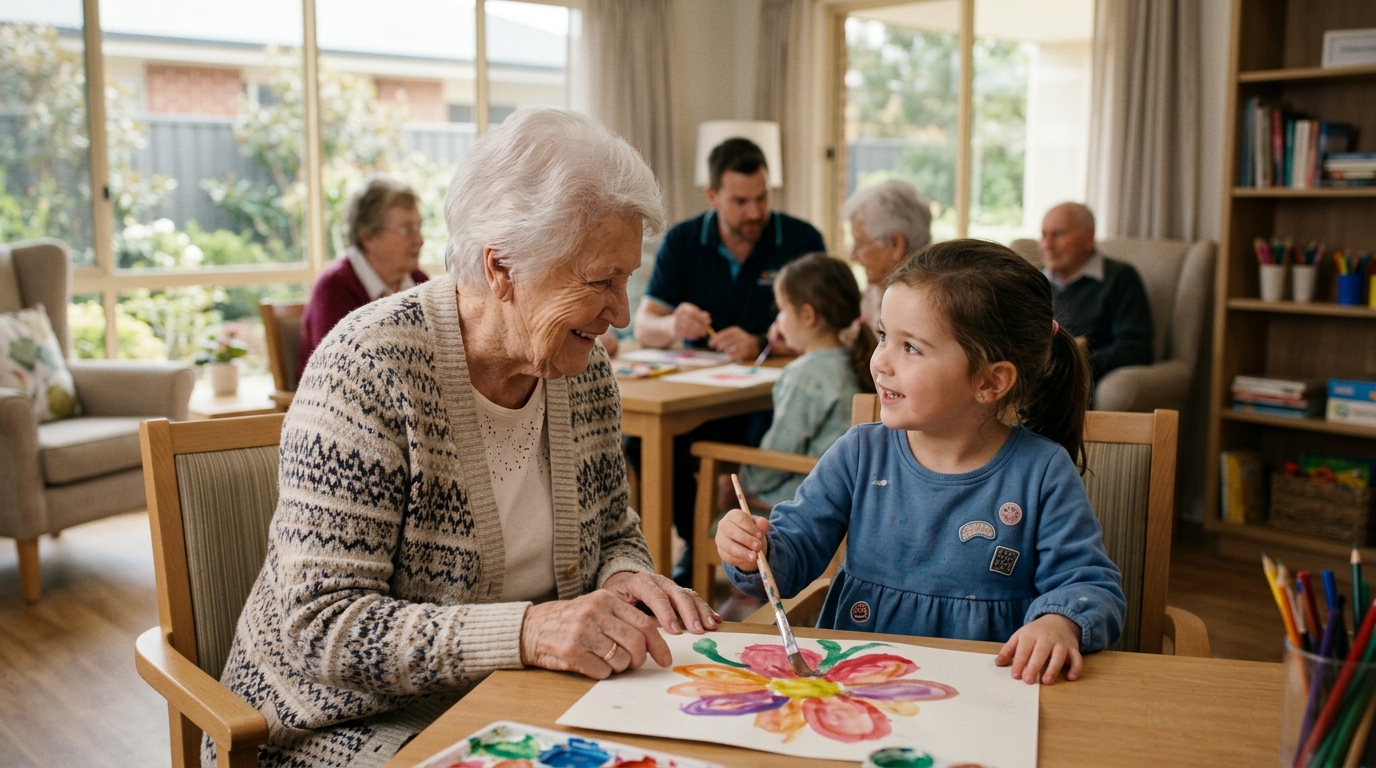
Research indicates that social isolation among the elderly is a critical public health concern, with studies showing that regular social interaction can significantly reduce the risk of cognitive decline and depression in older adults. According to the World Health Organization, social connection is a fundamental determinant of health, yet many families struggle to bridge the gap between generations effectively. At Little Scholars, we see firsthand how powerful these connections can be when structured correctly. Our Intergenerational Program is designed to foster mutual respect and learning, but parents often inadvertently undermine these benefits. This guide explores the most common mistakes families make when participating in intergenerational activities and provides actionable strategies to ensure a positive, enriching experience for both your child and our senior community members.
Understanding the Little Scholars Intergenerational Approach
The Intergenerational Program at Little Scholars is not merely a social hour; it is a pedagogical tool rooted in the belief that learning is a lifelong, shared process. By connecting our Early Childhood learners with senior members of the community, we create a unique environment where wisdom meets curiosity. This approach aligns with the Little Scholars Difference, which emphasizes holistic development and community connection.
Our program is carefully curated to ensure safety, engagement, and mutual benefit. We do not leave these interactions to chance. Instead, we utilize structured activities that encourage storytelling, creative arts, and gentle physical play. This structured environment helps mitigate the risks often associated with unguided intergenerational contact. For families in Brisbane, Gold Coast, Ipswich, and Redland Bay, this program offers a rare opportunity to build meaningful relationships that extend beyond the classroom walls.
Mistake 1: Failing to Prepare Your Child
One of the most frequent errors parents make is assuming their child will naturally know how to interact with older adults. Children are inherently curious, but they may lack the social cues necessary to navigate interactions with seniors who may have different physical or cognitive abilities. Without preparation, a child might ask intrusive questions or behave in ways that could be perceived as disrespectful, even if unintentional.
To avoid this mistake: Engage in pre-visit conversations about aging. Explain that some seniors may move slower, hear less clearly, or have different life experiences. Use age-appropriate language to describe these differences. For example, you might say, "Grandma might need a little more time to hear you because her ears are getting older, just like your legs get tired after running." This prepares your child to be patient and observant. At Little Scholars, our educators also provide guidance on how to approach our senior guests, ensuring that children feel confident and respectful in their interactions.
Mistake 2: Ignoring Physical and Emotional Boundaries
Children often express affection through physical touch, such as hugging or holding hands. While this is a natural expression of love, it is crucial to respect the physical boundaries of senior participants. Some older adults may have mobility issues, pain, or personal space preferences that differ from those of younger individuals. Ignoring these boundaries can lead to discomfort or even injury.
To avoid this mistake: Teach your child to ask for permission before initiating physical contact. Encourage them to look for verbal or non-verbal cues from the senior. If a senior steps back or does not make eye contact, guide your child to respect that space. Emphasize that kindness can be shown through words, smiles, and shared activities, not just touch. Our Child Safeguarding policies extend to all participants, ensuring that every interaction is monitored and guided by our educators to maintain a safe and comfortable environment for everyone.
Mistake 3: Overlooking Communication Styles
Communication gaps are a significant barrier in intergenerational relationships. Seniors may have hearing impairments, speech difficulties, or cognitive changes that affect how they process information. Parents often fail to adjust their communication style, leading to frustration for both the child and the senior.
To avoid this mistake: Model clear, slow, and respectful communication. Encourage your child to speak clearly and face the senior directly. If a senior does not understand, suggest repeating the message in a different way rather than raising your voice. Teach your child to be an active listener, paying attention to facial expressions and tone. At Little Scholars, we incorporate Abecedarian Reading and other literacy strategies that can be adapted for intergenerational storytelling, helping children develop empathy and patience as they share stories with our senior guests.
Mistake 4: Setting Unrealistic Expectations
Parents sometimes expect immediate, deep connections between their child and a senior. They may worry if the interaction seems brief or superficial. However, building trust and rapport takes time, especially for individuals who may have experienced trauma, loss, or social isolation. Expecting instant intimacy can lead to disappointment and pressure on the child.
To avoid this mistake: Focus on the process rather than the outcome. Celebrate small moments of connection, such as a shared laugh or a completed craft. Understand that some days may be more productive than others, and that is normal. Our Annual Events and Experiences are designed to build community over time, allowing relationships to develop naturally. Trust the process and allow your child to set the pace of the relationship.
Mistake 5: Passive Participation
While it is important to give children space to interact, complete parental absence can leave them feeling unsupported. Conversely, hovering too closely can inhibit the child's autonomy and make the senior feel observed rather than engaged. Finding the right balance is key.
To avoid this mistake: Adopt a "guide on the side" approach. Be present and available to support if needed, but allow your child to lead the interaction. Encourage them to ask questions and share their thoughts. If you notice your child struggling, gently scaffold the conversation without taking over. Our educators facilitate these interactions, but your active, supportive presence at home reinforces the values of respect and empathy learned at the center. For more insights on family involvement, visit our Be Involved page.
Key Takeaways
- Preparation is Essential: Discuss aging and social cues with your child before visits to foster respect and understanding.
- Respect Boundaries: Teach children to ask for permission before physical contact and to observe non-verbal cues.
- Adapt Communication: Model clear, patient, and empathetic communication styles to bridge generational gaps.
- Manage Expectations: Focus on small moments of connection rather than expecting immediate deep bonds.
- Balance Support: Be present but allow children to lead interactions, fostering autonomy and confidence.
- Consistency Matters: Regular participation in programs like ours helps build lasting relationships and community ties.
- Community Impact: Intergenerational programs benefit both children and seniors, reducing isolation and enhancing social skills.
Frequently Asked Questions
How does the Little Scholars Intergenerational Program ensure safety?
Safety is our top priority. All interactions are supervised by trained educators who monitor the environment and guide the activities. We adhere to strict Child Safeguarding and elder care protocols to ensure a secure and comfortable experience for all participants.
What age groups benefit most from the Intergenerational Program?
The program is particularly beneficial for children aged 2 to 5, who are developing social skills and empathy. However, the benefits extend to all ages, as seniors also gain from the energy and curiosity of younger generations.
Can I volunteer to participate in the program?
We welcome community involvement. If you or a family member are interested in participating, please contact us to discuss opportunities. You can also learn more about our community initiatives on our About Us page.
How often does the Intergenerational Program take place?
The frequency varies by campus, but many of our centers host regular sessions, often integrated into our Annual Events and Experiences calendar. Check with your local campus for specific schedules.
What activities are typically included in the program?
Activities include storytelling, arts and crafts, music, and gentle physical play. These activities are designed to be inclusive and engaging for both children and seniors, fostering mutual learning and enjoyment.
How can I support my child's learning at home?
Encourage your child to share their experiences from the program. Ask open-ended questions about their interactions and help them reflect on what they learned. This reinforces the empathy and social skills developed at the center.
Is the program available at all Little Scholars campuses?
While the core philosophy is consistent across our network, the specific implementation of the Intergenerational Program may vary by location. We encourage you to find your campus and inquire about local opportunities.
Start Your Journey
Ready to experience the benefits of our Intergenerational Program firsthand? Join the Little Scholars community and discover how our unique approach to early learning can enrich your child's development and connect your family with the wider community. Schedule a tour today to see our campuses in action and meet our dedicated educators.