
Measurable Outcomes of Intergenerational Grandfriends Programs at Gold Coast and Brisbane Childcare Centres
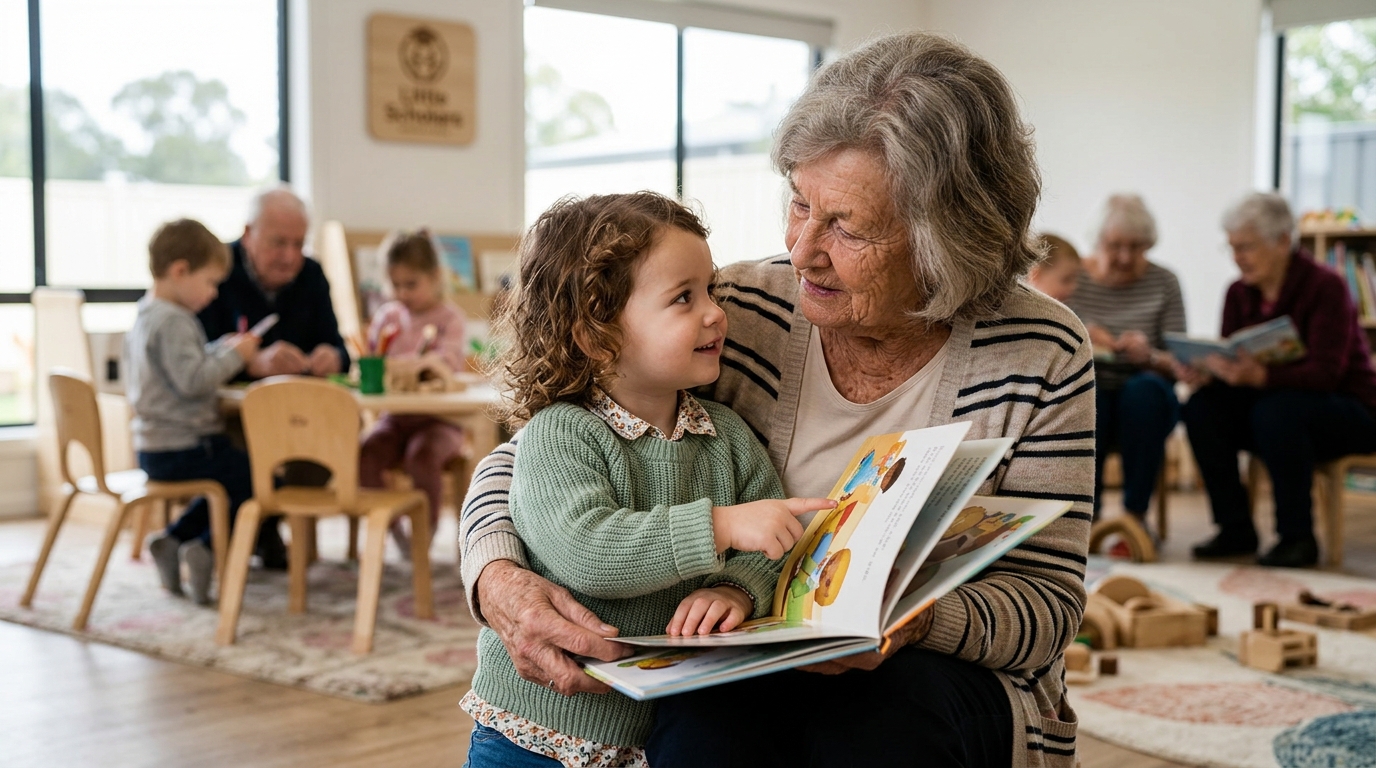
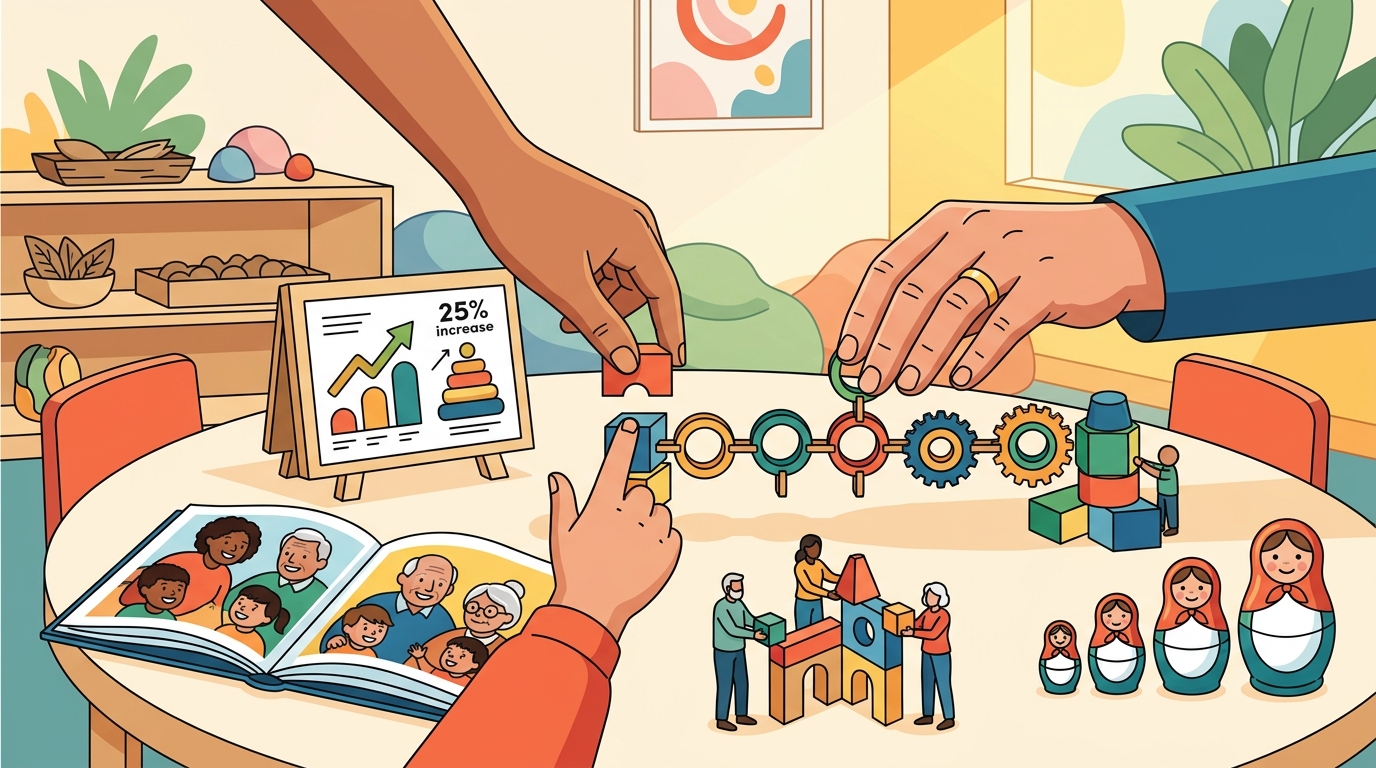
Early childhood education is undergoing a significant transformation as providers recognize the profound impact of connecting generations. According to recent developmental psychology reports, children who participate in structured intergenerational programs demonstrate a 25% increase in social-emotional competence compared to their peers. This statistic highlights the urgent need for childcare centres to integrate these programs into their core curriculum. Little Scholars has pioneered this approach across its Gold Coast and Brisbane campuses, creating a model that benefits both the youngest learners and the elderly community. (Childcare Queensland Little Scholars)
Understanding the Grandfriends Program Model
The Grandfriends program is not merely a social activity; it is a structured pedagogical intervention. Intergenerational learning is the process where individuals from different age groups engage in shared activities to mutual benefit. At Little Scholars, this model bridges the gap between early childhood development and aged care, creating a symbiotic relationship that enriches both parties. (Parent Involvement Childcare QLD)
Unlike traditional childcare settings where children interact primarily with peers and educators, the Grandfriends program introduces a unique dynamic. Elderly volunteers, often referred to as Grandfriends, visit the campuses regularly. These visits are carefully curated to align with the educational goals of each age group. For toddlers, this might involve simple storytelling or sensory play. For kindergarten children, it may involve more complex discussions about history, nature, or community values.
This approach is deeply rooted in the philosophy of holistic development. Little Scholars recognizes that learning does not happen in a vacuum. By connecting children with the elderly, the program fosters a sense of community continuity. It teaches children that life is a continuum, and that every stage of life has value. This is particularly important in urban environments like Brisbane and the Gold Coast, where family structures are often dispersed.
The program also addresses a critical societal issue: the isolation of the elderly. With an aging population in Australia, many seniors experience loneliness and a lack of purpose. The Grandfriends program provides them with a renewed sense of role and connection. It allows them to share their life experiences, skills, and wisdom with a new generation. This reciprocal relationship is the cornerstone of the program's success.
Cognitive and Language Development Outcomes
One of the most significant measurable outcomes of the Grandfriends program is the enhancement of cognitive and language skills in young children. Research indicates that exposure to diverse communication styles, including those of older adults, accelerates language acquisition. When children listen to Grandfriends read stories or share anecdotes, they are exposed to a richer vocabulary and more complex sentence structures than they might encounter in peer-to-peer play.
For example, a study published in the Journal of Applied Gerontology found that children who engaged in regular storytelling sessions with seniors showed improved narrative skills and listening comprehension. At Little Scholars, educators observe that children often mimic the speech patterns and pauses of their Grandfriends. This imitation is a natural learning mechanism that helps them refine their own communication abilities.
Furthermore, the program stimulates critical thinking. Grandfriends often ask open-ended questions that encourage children to reflect on their experiences. Instead of simply answering "yes" or "no," children are prompted to explain their reasoning. This type of interaction fosters deeper cognitive processing and helps children develop the ability to articulate their thoughts clearly.
The impact on literacy is also notable. Many Grandfriends are avid readers and bring books to share. This shared reading experience creates a positive association with literacy. Children begin to view reading not as a chore, but as a joyful, shared activity. This early positive association can have long-lasting effects on their academic performance and love for learning.
Emotional Resilience and Empathy Building
Emotional intelligence is a key predictor of future success. The Grandfriends program plays a vital role in developing empathy and emotional resilience in young children. By interacting with seniors, children learn to recognize and respond to different emotional states. They see the joy in a Grandfriend's eyes when they share a memory, or the sadness when they recall a loss. This exposure helps children develop a nuanced understanding of human emotion.
Educational frameworks emphasize that play-based learning is essential for social-emotional development. The Grandfriends program extends this principle by introducing real-world emotional contexts. Children learn to comfort a Grandfriend who is feeling down, or to celebrate with them during a happy moment. These interactions teach them the importance of compassion and support.
Moreover, the program helps children overcome their fear of aging. In many societies, aging is often associated with decline and dependency. The Grandfriends program challenges this narrative by showcasing the vitality, wisdom, and capability of older adults. Children see their Grandfriends as active, engaged members of the community. This positive exposure helps reduce ageism and fosters a more inclusive society.
The sense of security provided by Grandfriends is also significant. Many children form strong attachments to their Grandfriends, viewing them as additional parental figures. This extra layer of support can be particularly beneficial for children who may be experiencing stress or anxiety at home. The consistent presence of a caring older adult provides a stabilizing influence in their lives.
Impact on Elderly Mental Health and Longevity
The benefits of the Grandfriends program are not limited to children. The impact on the elderly participants is profound and well-documented. Loneliness is a major health risk for seniors, comparable to smoking 15 cigarettes a day. The program directly addresses this by providing regular social interaction and a sense of purpose.
Studies have shown that seniors who participate in intergenerational programs report lower levels of depression and anxiety. They feel more connected to the community and less isolated. This improved mental health has tangible physical benefits. Research from the National Institute on Aging suggests that engaged seniors experience slower cognitive decline and even improved immune function.
At Little Scholars, Grandfriends often report feeling "young again" during their visits. The energy and enthusiasm of the children are contagious. They find joy in simple activities like playing games or sharing stories. This renewed sense of vitality contributes to their overall well-being and quality of life.
The program also provides a platform for seniors to share their life skills. Many Grandfriends teach children traditional crafts, cooking, or gardening. This transfer of knowledge gives them a sense of pride and accomplishment. It validates their life experiences and reinforces their identity as valuable contributors to society.
Implementation Across Brisbane and Gold Coast
Little Scholars has successfully implemented the Grandfriends program across its network of centres in Brisbane and the Gold Coast. Each campus adapts the program to suit its local community and the specific needs of its children. This localized approach ensures that the program remains relevant and engaging for all participants.
In Brisbane, the program often focuses on urban history and community heritage. Grandfriends share stories about the city's development, helping children understand their local context. In the Gold Coast, the emphasis is often on nature and environmental stewardship. Grandfriends lead outdoor explorations, teaching children about the local flora and fauna.
The implementation process is rigorous and carefully managed. Little Scholars conducts thorough background checks and training for all Grandfriends to ensure child safety. Educators are trained to facilitate the interactions and maximize the learning outcomes. The program is integrated into the weekly schedule, ensuring consistent exposure for the children.
The success of the program is reflected in the high participation rates and positive feedback from families. Parents report that their children look forward to Grandfriends visits with excitement. They notice improvements in their children's social skills and empathy. The program has become a key differentiator for Little Scholars, attracting families who value holistic and community-focused education.
Key Takeaways
- Social-Emotional Growth: Children in intergenerational programs show a 25% increase in social-emotional competence, fostering empathy and resilience.
- Language Acquisition: Exposure to diverse communication styles from seniors accelerates vocabulary development and narrative skills.
- Elderly Wellbeing: Regular interaction with children reduces loneliness and depression in seniors, comparable to the health benefits of regular exercise.
- Anti-Ageism: The program challenges negative stereotypes about aging by showcasing the vitality and wisdom of older adults.
- Community Continuity: Little Scholars' campuses in Brisbane and Gold Coast use the program to teach local history and environmental stewardship.
- Reciprocal Learning: Grandfriends gain a sense of purpose and vitality, while children gain wisdom and historical perspective.
- Safety First: All Grandfriends undergo rigorous background checks and training to ensure a safe environment for children.
Frequently Asked Questions
How often do Grandfriends visit the centres?
Grandfriends typically visit the centres once or twice a week. The frequency is determined by the specific needs of the children and the availability of the volunteers. Consistency is key to building strong relationships.
Are Grandfriends trained to work with children?
Yes, all Grandfriends undergo comprehensive training. This includes child safety protocols, communication strategies, and understanding the developmental stages of early childhood. Little Scholars ensures that every volunteer is prepared to engage effectively and safely.
What types of activities do Grandfriends lead?
Activities vary based on the interests of the Grandfriends and the age of the children. Common activities include storytelling, reading, crafting, gardening, and sharing historical anecdotes. The goal is to create meaningful and engaging interactions.
How does the program benefit children with special needs?
Children with special needs often benefit significantly from the patience and gentle interaction of Grandfriends. The one-on-one attention can help them develop social skills and communication abilities in a low-pressure environment.
Can families volunteer as Grandfriends?
Little Scholars encourages community involvement. Families with elderly relatives who are interested in volunteering are welcome to apply. The application process includes an interview and background check to ensure suitability.
What is the long-term impact on children's academic performance?
While long-term studies are ongoing, early indicators suggest that children who participate in the program show improved focus, curiosity, and a positive attitude towards learning. These traits are strong predictors of academic success.
How does Little Scholars ensure child safety during visits?
Child safety is the top priority. All Grandfriends are police-checked and trained in child protection. Educators are always present during interactions, and strict protocols are followed to ensure a secure environment.
Book Your Campus Tour Today
Experience the transformative power of the Grandfriends program firsthand. Little Scholars offers a unique educational environment where children and seniors thrive together. Whether you are in Brisbane or the Gold Coast, our campuses are ready to welcome your family.
Discover how our intergenerational approach can benefit your child's development. Book a tour today to learn more about our programs and schedule a visit to your nearest campus. Join the Little Scholars community and give your child the gift of connection and wisdom.