
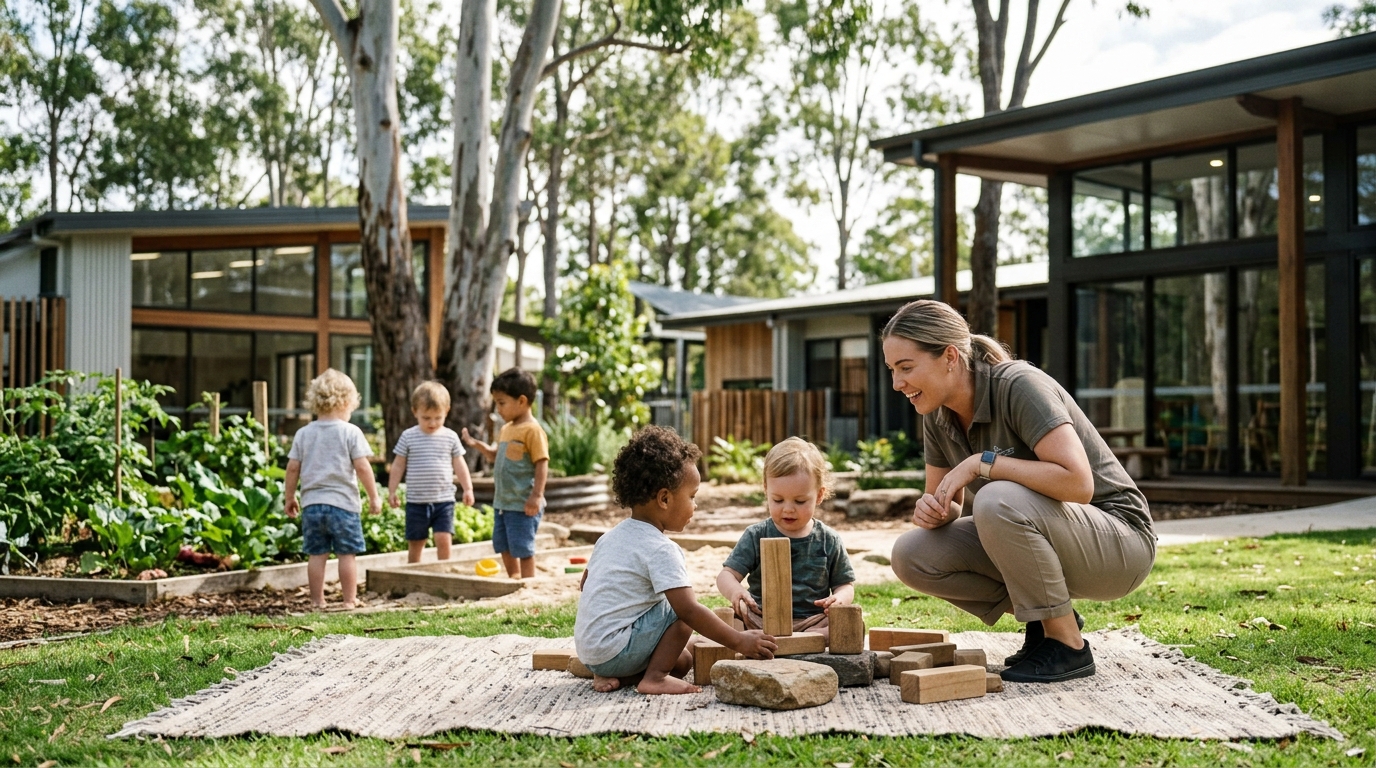
Finding reliable childcare in Brisbane's northern suburbs is a critical priority for modern families. According to recent demographic data, the population growth in areas like Deception Bay and the broader Moreton Bay region has surged, creating a high demand for early learning spaces. Little Scholars addresses this need by providing tailored educational experiences across these expanding communities. This guide explores how to identify high-quality care, understand the curriculum differences, and secure a spot in a center that aligns with your family's values.
Understanding Curriculum and Learning Approaches
When evaluating childcare options, the educational philosophy is the most significant differentiator. Quality centers do not merely provide supervision; they facilitate holistic development through structured play and guided inquiry. Play Based Learning is a foundational methodology where children explore their environment to build cognitive and social skills naturally.
Little Scholars integrates several proprietary frameworks to ensure comprehensive growth. The Abecedarian Reading approach is specifically designed to foster early literacy skills through interactive and engaging methods. This method recognizes that the first five years are critical for brain development and language acquisition.
Furthermore, modern early learning emphasizes STEM (Science, Technology, Engineering, and Mathematics) from a young age. STEM Education for Early Childhood encourages curiosity and problem-solving. Children engage in hands-on experiments that make abstract concepts tangible and fun.
Northern Suburbs Service Coverage
Brisbane's northern suburbs, including the Moreton Bay region, have seen significant infrastructure development. Families in these areas often seek centers that are both accessible and culturally responsive. Little Scholars has strategically positioned campuses to serve these communities effectively.
Deception Bay and Surrounding Areas
Deception Bay is a rapidly growing residential hub. The center located in Deception Bay offers convenient access for local families. The campus is designed to provide a safe and stimulating environment for children from nursery through to kindergarten age.
Additionally, the Deception Bay North location extends this reach, ensuring that families in the northernmost parts of the region have access to high-quality early learning. These campuses are equipped with modern facilities that support both indoor and outdoor exploration.
Indigenous Cultural Integration
A crucial aspect of Australian early education is the acknowledgment and integration of Indigenous culture. Acknowledgement To Country is not just a formality but a core component of the curriculum. Educators work to embed cultural competence, creating awareness and respect for diversity among young learners.
Children engage in storytelling, music, and creative activities that celebrate the history and traditions of Aboriginal and Torres Strait Islander peoples. This approach fosters a sense of belonging and identity in all children, regardless of their background.
Key Features of Quality Early Learning
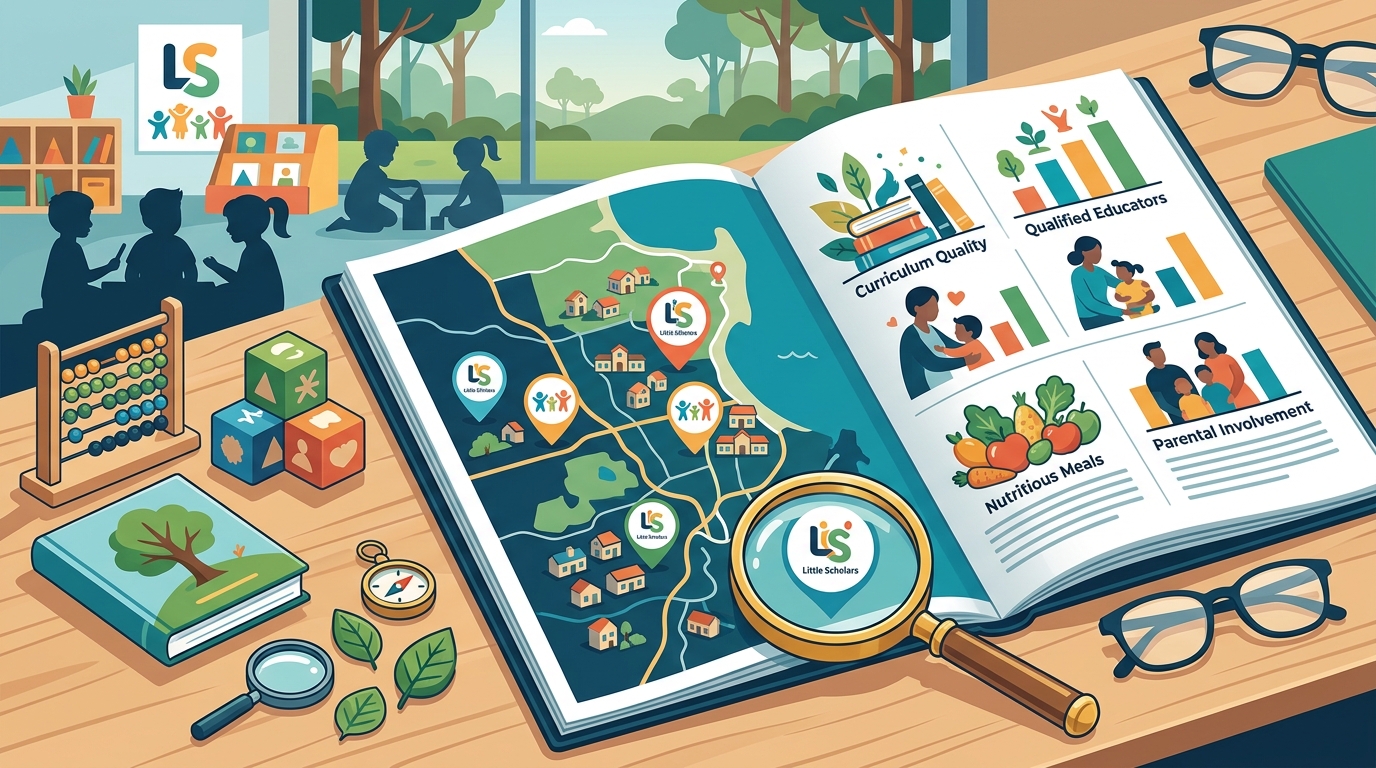
Beyond location and curriculum, several operational factors distinguish premium childcare providers. These include health and wellbeing protocols, nutrition standards, and family engagement opportunities.
Health and Wellbeing
Physical health is paramount in early childhood development. Centers must adhere to strict hygiene and safety standards. Health & Wellbeing initiatives at Little Scholars include regular health checks, allergen-aware menus, and outdoor activities that promote physical fitness.
The Outdoor Explorers program, also known as Bush Kinder, connects children with nature. This approach has been shown to improve mental health and attention spans. Bush Kinder experiences allow children to engage with the natural environment in a supervised and educational manner.
Family Engagement and Events
Strong family partnerships are essential for child success. Parent Involvement is encouraged through various channels. Annual events such as Annual Events and Experiences bring the community together. These include cultural celebrations, science fairs, and family fun days that strengthen relationships between educators, children, and parents.
Service Comparison Matrix
Understanding the differences between service types helps parents make informed decisions. The table below outlines the key distinctions between various care options available in the region.
| Service Type | Age Range | Primary Focus | Typical Hours |
|---|---|---|---|
| Nursery and Infant Care | 6 weeks to 15 months | Sensory development and attachment | Full day |
| Toddler Programs | 15 months to 2 years | Motor skills and social interaction | Full day |
| Kindergarten | 2 to 5 years | Pre-school readiness and literacy | Part-time or Full day |
| Before/After School Care | 5 to 12 years | Homework support and recreation | Extended hours |
Key Takeaways
- Strategic Location: Little Scholars operates in key northern suburbs including Deception Bay and Deception Bay North, ensuring accessibility for growing communities.
- Educational Framework: The integration of the Abecedarian Reading approach and STEM education provides a robust foundation for future academic success.
- Cultural Competence: Indigenous culture is embedded in daily learning, fostering respect and understanding of First Nations history and traditions.
- Family Connection: Regular annual events and parent involvement programs strengthen the bond between the center and the family unit.
- Health Standards: Comprehensive health and wellbeing protocols, including outdoor explorer programs, support physical and mental development.
- Founder's Vision: Led by Jae Fraser, the organization prioritizes educational outcomes over profit, ensuring a family-centric approach.
- Comprehensive Care: Services range from nursery care for infants to before and after school care, covering all stages of early development.
Frequently Asked Questions
What age groups do you accept?
Little Scholars accepts children from 6 weeks of age through to kindergarten. We also offer before and after school care for school-aged children.
How do you incorporate Indigenous culture?
We embed Indigenous culture into our daily programs through storytelling, music, and regular acknowledgments of country. Educators are trained to foster cultural competence and respect for diversity.
What is the Abecedarian Reading approach?
The Abecedarian Reading approach is an evidence-based method that focuses on early literacy skills through interactive and engaging activities, helping children develop a love for reading.
Do you offer outdoor learning experiences?
Yes, we have an Outdoor Explorers program that connects children with nature. This includes bush kinder experiences that promote physical activity and environmental awareness.
How can I book a tour?
You can book a tour directly through our website. We encourage families to visit our campuses to experience our environment and meet our educators.
What is your approach to health and safety?
We adhere to strict health and safety standards, including regular hygiene checks, allergen-aware menus, and comprehensive child safeguarding policies.
Are there opportunities for parent involvement?
Absolutely. We host annual events and encourage parent involvement through our Family Time Program. We believe in building strong partnerships with families to support child development.
Next Steps for Families
Finding the right childcare provider is a significant decision. By choosing a center that prioritizes educational excellence, cultural awareness, and family engagement, you are investing in your child's future. Little Scholars offers a nurturing environment where every child can thrive.
We invite you to schedule a tour of our Deception Bay or Deception Bay North campuses. Experience our facilities, meet our passionate educators, and discover how we can support your family's journey.