
Redland Bay Childcare: Developmental Outcomes and Learning Benefits
Early childhood education is not merely about supervision; it is the critical foundation for lifelong cognitive and social development. Research indicates that high-quality early learning environments can significantly enhance a child's executive function and emotional regulation during the first five years. For families in the Redland Bay area, understanding how specific pedagogical approaches translate into tangible developmental outcomes is essential for making informed care decisions. This guide explores the educational frameworks, community integration, and holistic benefits provided by leading childcare providers in the region.
Educational Frameworks and Pedagogy
At the core of effective early learning is a robust educational framework. In Australia, the Early Years Learning Framework (EYLF) serves as the national guide for educators. This framework emphasizes five key outcomes: identity, community connection, wellbeing, learning, and communication. Little Scholars, with its presence in nearby Redland Bay and surrounding regions, aligns its curriculum closely with these principles to ensure every child receives a consistent and high-quality educational experience.
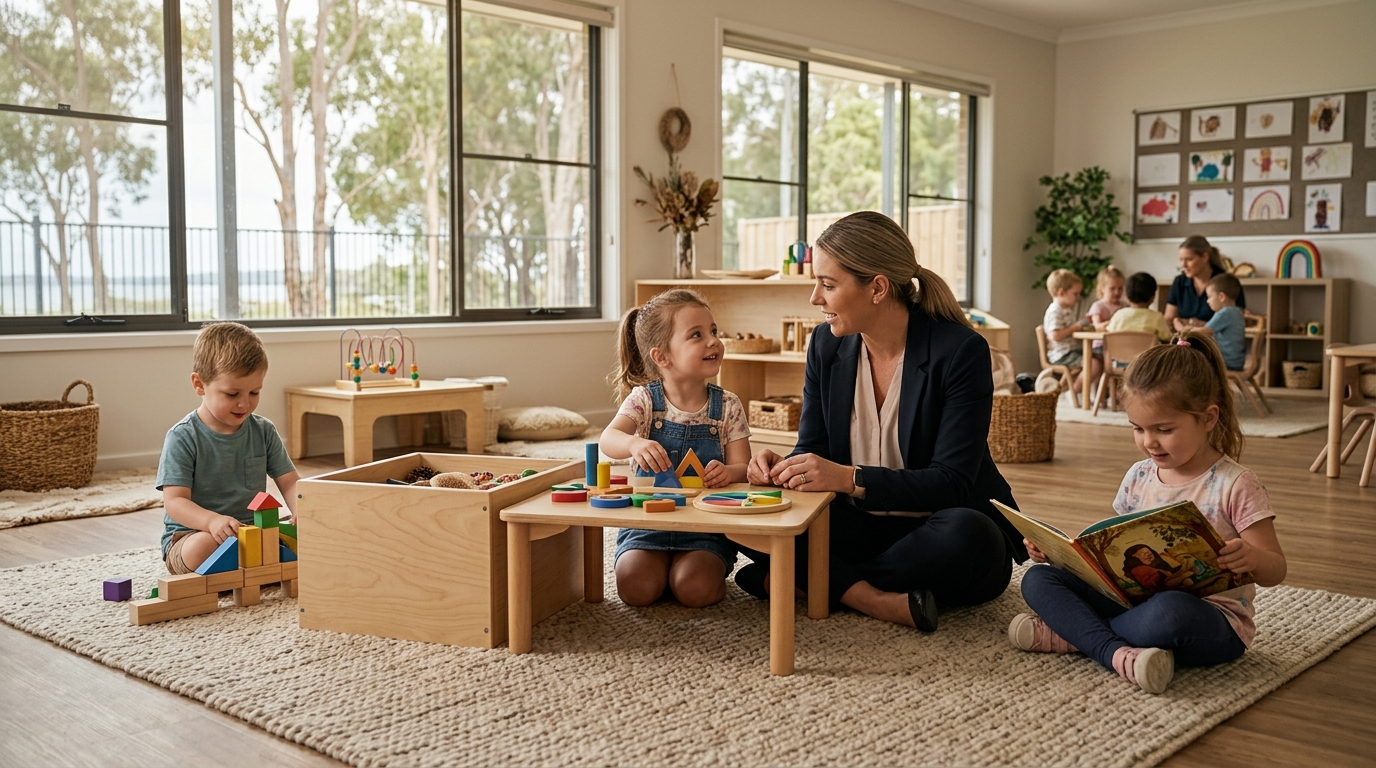
Play-based learning is the primary vehicle for achieving these outcomes. This approach allows children to explore their environment, solve problems, and develop social skills through guided interaction. According to the Australian Institute of Family Studies, play-based learning is crucial for developing creativity and critical thinking skills in young children. Educators act as facilitators, observing children's interests and scaffolding their learning to extend their understanding.
For families seeking a provider that values this pedagogical depth, understanding the teaching philosophy is vital. Little Scholars emphasizes a nurturing environment where children are encouraged to ask questions and engage in hands-on discovery. This method fosters a love for learning that extends beyond the classroom walls. The center's commitment to individualized attention ensures that each child's unique developmental pace is respected and supported.
STEM Education and Digital Literacy
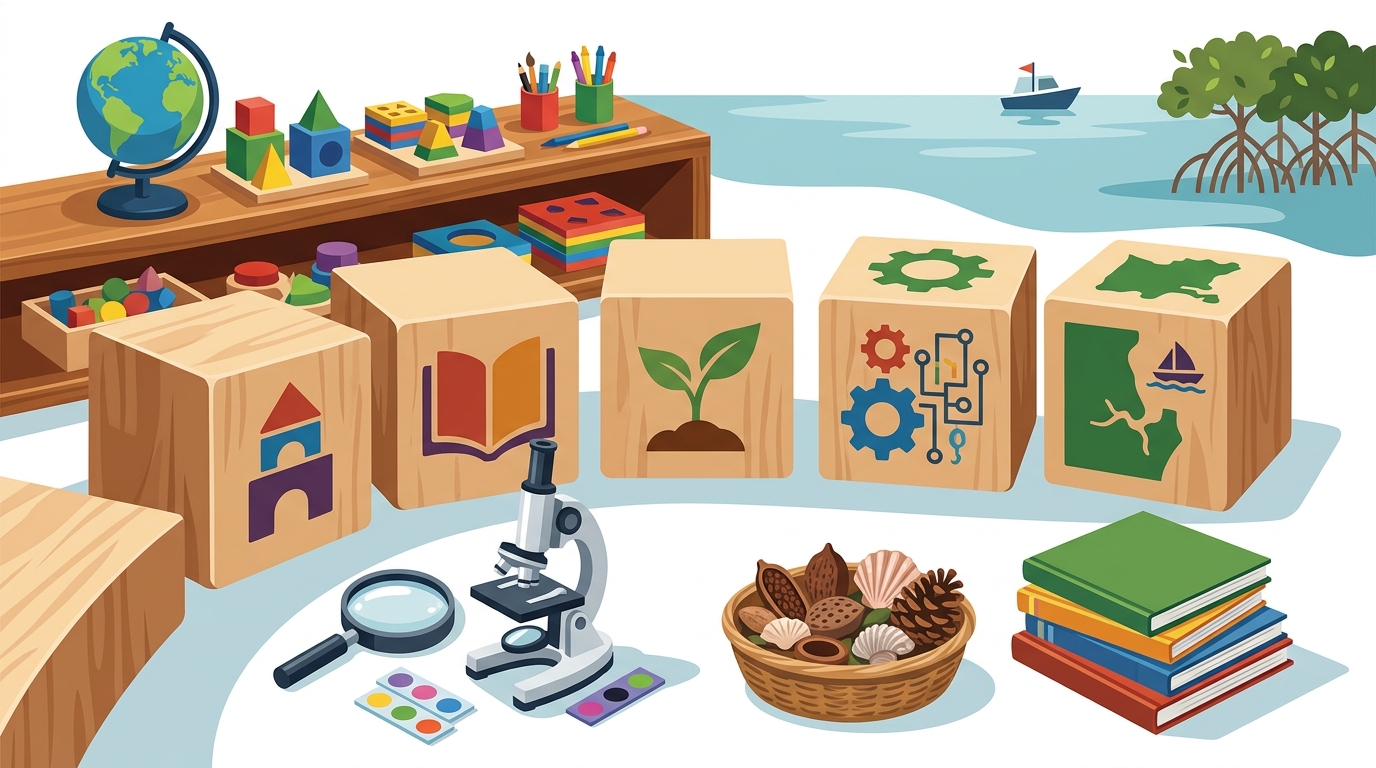
Modern early childhood education increasingly incorporates elements of Science, Technology, Engineering, and Mathematics (STEM). This is not about formal instruction but rather about cultivating curiosity and logical thinking. Little Scholars integrates STEM concepts through practical, everyday activities. For instance, building structures with blocks introduces basic engineering principles, while gardening activities teach biological cycles.
Digital literacy is another critical component of modern development. The integration of tools like Wondernest VR allows children to engage with immersive educational content in a controlled and safe environment. This technology provides unique opportunities for visual learning and spatial awareness, which are essential skills in the 21st century. However, the focus remains on balanced screen time that complements, rather than replaces, physical play.
The benefits of early STEM exposure are well-documented. Studies suggest that children who engage in STEM-related play develop stronger problem-solving abilities and resilience. By introducing these concepts early, educators help demystify complex subjects and build confidence in young learners. This approach prepares children for future academic challenges while keeping the learning process joyful and engaging.
Indigenous Culture and Community Connection
A vital aspect of Australian early childhood education is the recognition and celebration of Indigenous culture. Embedding Indigenous perspectives into the curriculum fosters respect, understanding, and cultural competence in young children. Little Scholars places significant emphasis on this, ensuring that children learn about the Traditional Custodians of the land on which they play and learn.
This integration goes beyond occasional activities. It involves daily acknowledgments, storytelling, and engagement with local Indigenous communities. By participating in experiences that celebrate Aboriginal and Torres Strait Islander history, children develop a broader worldview and a sense of belonging. This approach aligns with national educational standards that prioritize cultural diversity and inclusion.
Community connection is equally important. Programs like the Intergenerational Program bring together children and older adults, fostering mutual respect and social skills. These interactions provide children with diverse perspectives and strengthen community bonds. For families in Redland Bay, this means their children are part of a supportive network that values both cultural heritage and social cohesion.
Holistic Health and Wellbeing
Developmental outcomes are not limited to cognitive growth. Physical health, emotional regulation, and social skills are equally critical. Little Scholars addresses these areas through a comprehensive health and wellbeing strategy. This includes nutritious meal planning, active outdoor play, and structured emotional support.
Nutrition plays a pivotal role in brain development and energy levels. The center's approach to food ensures that children receive balanced meals that support their growing bodies. This focus on health extends to hygiene practices and safety protocols, creating a secure environment where children feel safe to explore. The Little Scholars Commitment to Child Safety is a cornerstone of their operational model, ensuring that all staff are trained in safeguarding best practices.
Emotional wellbeing is supported through programs that teach children how to identify and manage their feelings. Techniques such as mindfulness and conflict resolution are introduced in age-appropriate ways. This emotional literacy helps children build resilience and form positive relationships with peers. The Family Time Program further extends this support by engaging parents in their child's emotional development, creating a consistent message of care and understanding across home and center environments.
Comparing Program Structures
Choosing the right program depends on your child's age and developmental needs. Below is a summary of the key offerings available at Little Scholars campuses, including those serving the Redland Bay area.
| Program Type | Age Range | Key Developmental Focus | Unique Features |
|---|---|---|---|
| Nursery and Infant Care | From 6 weeks | Attachment, sensory exploration, motor skills | High staff-to-child ratio, individualized care plans |
| Toddler Programs | From 15 months | Language acquisition, independence, social play | Outdoor explorers, structured play groups |
| Junior & Senior Kindy | From 2 years | Pre-literacy, numeracy, emotional regulation | STEM integration, VR experiences, free kindy options |
| Before/After School Care | School age | Homework support, recreational activities, social skills | Extended hours, holiday programs, camp outs |
Each program is designed to transition smoothly into the next, ensuring continuity in your child's educational journey. The availability of Free Kindy at select campuses also provides significant financial relief for families, making high-quality early education more accessible. For detailed information on eligibility and enrollment, families are encouraged to consult the Free Kindy at Little Scholars page.
Key Takeaways
- EYLF Alignment: Programs are strictly aligned with the Early Years Learning Framework to ensure national standards of quality.
- STEM Integration: Early exposure to science and technology through tools like Wondernest VR builds future-ready skills.
- Cultural Competence: Daily engagement with Indigenous culture fosters respect and community awareness.
- Holistic Health: Nutrition and emotional wellbeing are prioritized alongside academic learning.
- Community Focus: Programs like Camp Out and Intergenerational visits strengthen family and community bonds.
- Redland Bay Access: Proximity to Redland Bay ensures convenient access for local families seeking premium care.
- Founder's Vision: Jae Fraser's 20+ years of experience drives a non-corporate, family-centric approach.
Frequently Asked Questions
How does Little Scholars support STEM learning in early childhood?
Little Scholars integrates STEM through hands-on activities, such as building and gardening, and utilizes technology like Wondernest VR to enhance visual and spatial learning in a safe environment.
What is the Free Kindy program at Little Scholars?
The Free Kindy program offers eligible children access to kindergarten education at no cost, reducing financial barriers to early learning. Details on eligibility can be found on the Free Kindy page.
How is Indigenous culture incorporated into the curriculum?
Indigenous culture is embedded through daily acknowledgments, storytelling, and community partnerships, ensuring children develop respect and understanding for First Nations peoples.
What safety measures are in place at Redland Bay and other campuses?
All campuses adhere to the Little Scholars Commitment to Child Safety, which includes rigorous staff training, secure entry systems, and regular health checks.
Are before and after school care options available?
Yes, Little Scholars provides comprehensive before and after school care, including holiday programs, to support working families. Learn more at Before and After School Care.
How does play-based learning benefit child development?
Play-based learning fosters creativity, problem-solving, and social skills by allowing children to explore their interests in a guided, supportive environment.
What is the Bush Kinder program?
The Bush Kinder program involves outdoor explorations that connect children with nature, promoting physical activity and environmental awareness.
Start Your Child's Journey Today
Understanding the developmental benefits of early childcare is the first step toward securing a bright future for your child. Little Scholars offers a nurturing, educationally rich environment tailored to the needs of families in Redland Bay and the wider South East Queensland region. With a focus on holistic development, cultural competence, and innovative learning, your child will thrive in our care.
Ready to see our campuses in action? Book a tour today to experience our facilities and meet our dedicated educators. For more insights on child development and our educational approach, visit our Blog or explore our Our Difference page to learn more about our unique philosophy.