
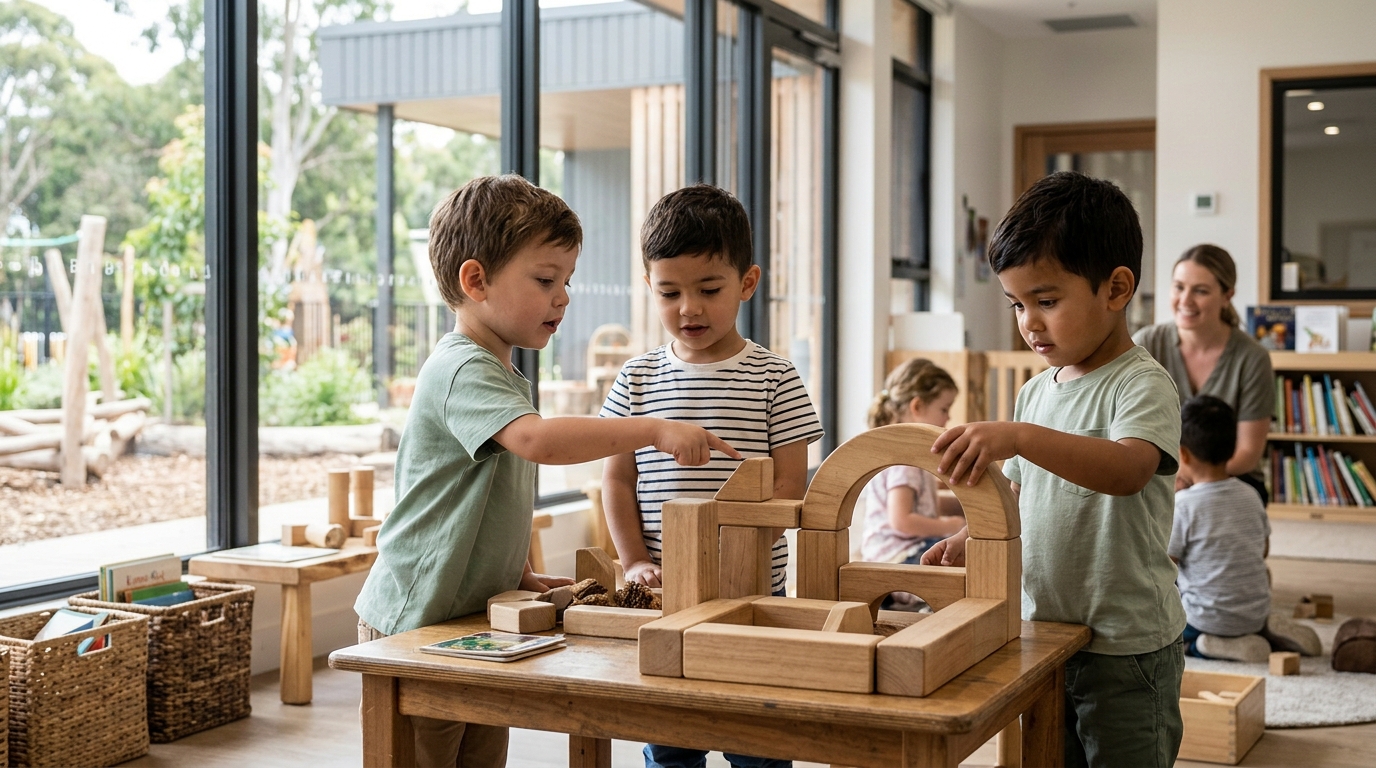
Early childhood education is no longer just about keeping children safe while parents work. It is about actively shaping cognitive and social development during the most critical window of human growth. According to recent developmental psychology reports, the first five years of life account for up to 80% of brain growth, making the quality of early learning environments a decisive factor in long-term academic and social success. Families across South East Queensland are increasingly seeking childcare providers that move beyond traditional babysitting to offer structured, play-based educational experiences that prepare children for the complexities of the modern world.
The Founder's Vision for Authentic Education
At the heart of Little Scholars School of Early Learning is a philosophy that rejects the corporate, profit-first model often seen in large-scale childcare chains. Founder Jae Fraser, drawing on over 20 years of hands-on experience in the Early Childhood sector, established the organization with a singular focus: to act as an extension of the family rather than a commercial entity. This distinction is vital for parents navigating the childcare landscape, as it directly influences the consistency of care and the depth of educator engagement.
Play-based learning is not merely a buzzword at Little Scholars; it is the operational framework for all daily activities. This approach recognizes that children learn most effectively when they are actively engaged in exploration, problem-solving, and social interaction. By prioritizing holistic development, the centers ensure that every child receives the support needed to flourish during their formative years. This philosophy aligns with the Early Years Learning Framework, which mandates that educators facilitate learning through play to build foundational skills in literacy, numeracy, and social responsibility.
The commitment to being a family extension means that communication between educators and parents is continuous and transparent. This partnership ensures that the educational strategies used in the center are reinforced at home, creating a cohesive developmental environment. Parents who visit the campuses often note the warm, welcoming atmosphere that distinguishes Little Scholars from more institutionalized alternatives.
STEM and Digital Literacy in Early Years
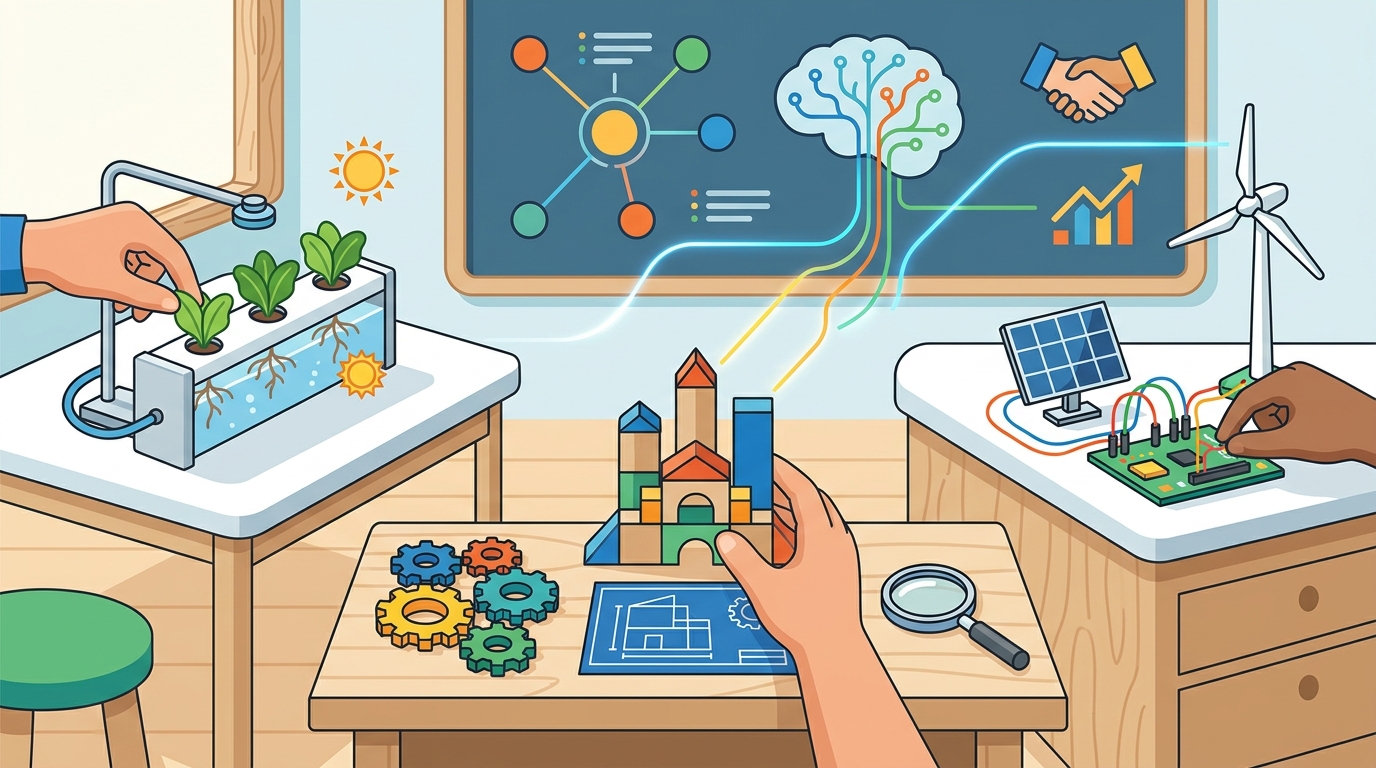
As the world becomes increasingly digital, early exposure to Science, Technology, Engineering, and Mathematics (STEM) concepts is becoming a priority for forward-thinking parents. Little Scholars addresses this by integrating STEM education into early childhood curricula in age-appropriate, tangible ways. This is not about teaching coding to toddlers, but rather fostering a mindset of curiosity, experimentation, and logical thinking.
One of the standout features of this approach is the Wondernest VR program. This innovative tool allows children to engage with virtual reality experiences that expand their understanding of the world beyond their immediate physical environment. Whether exploring the depths of the ocean or the surface of Mars, these experiences stimulate imagination and provide a concrete basis for abstract concepts. Research indicates that early exposure to diverse learning modalities, including digital tools, can enhance spatial reasoning and cognitive flexibility in young children.
Beyond technology, the centers host regular Science Fairs where kindergarten children participate in hands-on experiments and "whizz-bang" demonstrations. These events are designed to make children feel like little scientists, encouraging them to predict outcomes, test hypotheses, and discover results. This method of learning transforms abstract scientific principles into memorable, joyful experiences that build confidence and intellectual courage.
Outdoor Explorers and Bush Kinder Programs
In an era where screen time is a growing concern, the importance of outdoor play cannot be overstated. Little Scholars places a heavy emphasis on environmental sustainability and the natural world through its Outdoor Explorers and Bush Kinder programs. These initiatives take learning out of the classroom and into the natural environment, where children can engage in unstructured play that develops gross motor skills, risk assessment, and resilience.
The Bush Kinder program connects children with the land in meaningful ways. By interacting with native plants, insects, and landscapes, children develop a sense of stewardship and respect for the environment. This aligns with the Australian Government's sustainability education goals, which emphasize the need for young people to understand their role in protecting the planet. Educators guide these explorations, ensuring that safety is maintained while allowing for the freedom necessary for deep, immersive learning.
Additionally, the Stingless Bees program offers a unique opportunity for children to learn about pollination, ecosystem health, and the importance of biodiversity. Observing these bees up close provides a tangible lesson in biology and cooperation, concepts that are often difficult to convey through books or lectures alone. This hands-on approach to nature education fosters a lifelong appreciation for the natural world.
Embedding Indigenous Culture and Community
A critical component of real-world learning in Australia is the recognition and celebration of First Nations culture. Little Scholars is deeply committed to embedding Indigenous culture within its curriculum, ensuring that all children develop cultural competence and respect for diversity from a young age. This is not a superficial addition but a core pillar of the educational philosophy.
The centers actively participate in Acknowledgement to Country practices, teaching children about the Traditional Custodians of the land on which they play and learn. This is done through storytelling, music, dance, and creative arts, providing a rich, multi-sensory understanding of Aboriginal and Torres Strait Islander histories and traditions. By inviting Indigenous community members into the campuses, Little Scholars ensures that these teachings are authentic and respectful.
This commitment extends to the broader community as well. The centers host cultural celebrations and events that bring families together to honor the diversity of the Australian community. These events are designed to strengthen relationships between families, educators, and the wider community, fostering a sense of belonging and inclusion. According to AIHW data on Indigenous education, early exposure to inclusive and culturally responsive environments is crucial for closing the gap in educational outcomes and promoting social cohesion.
Comparing Little Scholars Program Pillars
To help parents understand the breadth of the Little Scholars experience, the following table outlines the key pillars of the program and their specific benefits for child development.
| Program Pillar | Key Activities | Developmental Benefit |
|---|---|---|
| STEM & Digital Literacy | Wondernest VR, Science Fairs, Hands-on Experiments | Enhances spatial reasoning, curiosity, and logical thinking. |
| Outdoor Explorers | Bush Kinder, Nature Walks, Environmental Stewardship | Develops gross motor skills, risk assessment, and resilience. |
| Indigenous Culture | Acknowledgement to Country, Storytelling, Community Events | Fosters cultural competence, respect, and social inclusion. |
| Play-Based Learning | Unstructured Play, Social Interaction, Creative Arts | Builds foundational literacy, numeracy, and emotional intelligence. |
Key Takeaways for Parents
- Founder-Led Philosophy: Jae Fraser’s 20+ years of experience ensures a non-corporate, family-focused approach to childcare.
- STEM Integration: Programs like Wondernest VR and Science Fairs provide early exposure to scientific concepts in an engaging way.
- Nature Connection: The Bush Kinder and Stingless Bees programs promote environmental stewardship and physical development.
- Cultural Respect: Deep integration of Indigenous culture through Acknowledgement to Country and community partnerships.
- Community Events: Annual events like Camp Out and Book Week strengthen family and community bonds.
- Regional Presence: Centers are strategically located across Brisbane, Gold Coast, Ipswich, and Redland Bay for accessibility.
- Safety Commitment: A strong focus on child safety and safeguarding protocols ensures peace of mind for parents.
Frequently Asked Questions
What is the Abecedarian Reading approach?
The Abecedarian Reading approach is a phonics-based method used at Little Scholars to teach early literacy skills. It focuses on the systematic instruction of letter sounds and blending, providing a strong foundation for reading and writing. This method is supported by research on effective early literacy instruction, which shows that explicit phonics teaching improves reading outcomes for young children.
How does Little Scholars handle the Child Care Subsidy?
Little Scholars accepts the Australian Government’s Child Care Subsidy (CCS) to help families manage the cost of care. The centers provide detailed information and support to help parents navigate the CCS calculator and understand their entitlements. Updates on CCS policy changes are regularly communicated to families to ensure transparency.
What age groups do Little Scholars cater to?
Little Scholars offers care for children from 6 weeks old through to school age. This includes Nursery and Infant Care, Toddler Programs, Junior and Senior Kindy, and Before, After-school, and Vacation Care. This comprehensive range allows families to stay with the same provider as their children grow.
Are the campuses environmentally sustainable?
Yes, environmental sustainability is a key pillar of the Little Scholars philosophy. The centers incorporate sustainable practices into daily operations, such as waste reduction, energy efficiency, and nature-based learning. The Environment and Sustainability page on the website details specific initiatives and how families can get involved.
How can I book a tour of a Little Scholars campus?
Prospective families can schedule a tour by visiting the Book a Tour page on the website. Tours provide an opportunity to meet the educators, see the facilities, and ask questions about the curriculum and daily routines.
What is the Free Kindy program?
Free Kindy is an initiative that provides eligible children with access to kindergarten programs at no cost. This program aims to increase accessibility to early education and ensure that all children have the opportunity to benefit from structured learning before starting school. More details can be found in the Free Kindy section of the resources.
How does Little Scholars support child safety?
Child safety is paramount at Little Scholars. The centers adhere to strict child safeguarding protocols and maintain a Commitment to Child Safety. This includes rigorous staff screening, secure entry systems, and ongoing training for educators on recognizing and responding to child protection issues.
Start Your Journey Today
Choosing the right early learning environment is one of the most important decisions a family makes. Little Scholars School of Early Learning offers a unique blend of play-based education, STEM innovation, and cultural respect that prepares children for a bright future. With campuses across South East Queensland, including Brisbane, Gold Coast, Ipswich, and Redland Bay, there is a Little Scholars center near you.
Don't wait to secure a spot for your child. Schedule a tour today to experience the Little Scholars difference firsthand. Whether you are looking for nursery care, kindy programs, or before and after school care, the team at Little Scholars is ready to welcome your family.