
Measurable Developmental Outcomes of Nature-Based Early Learning Programs
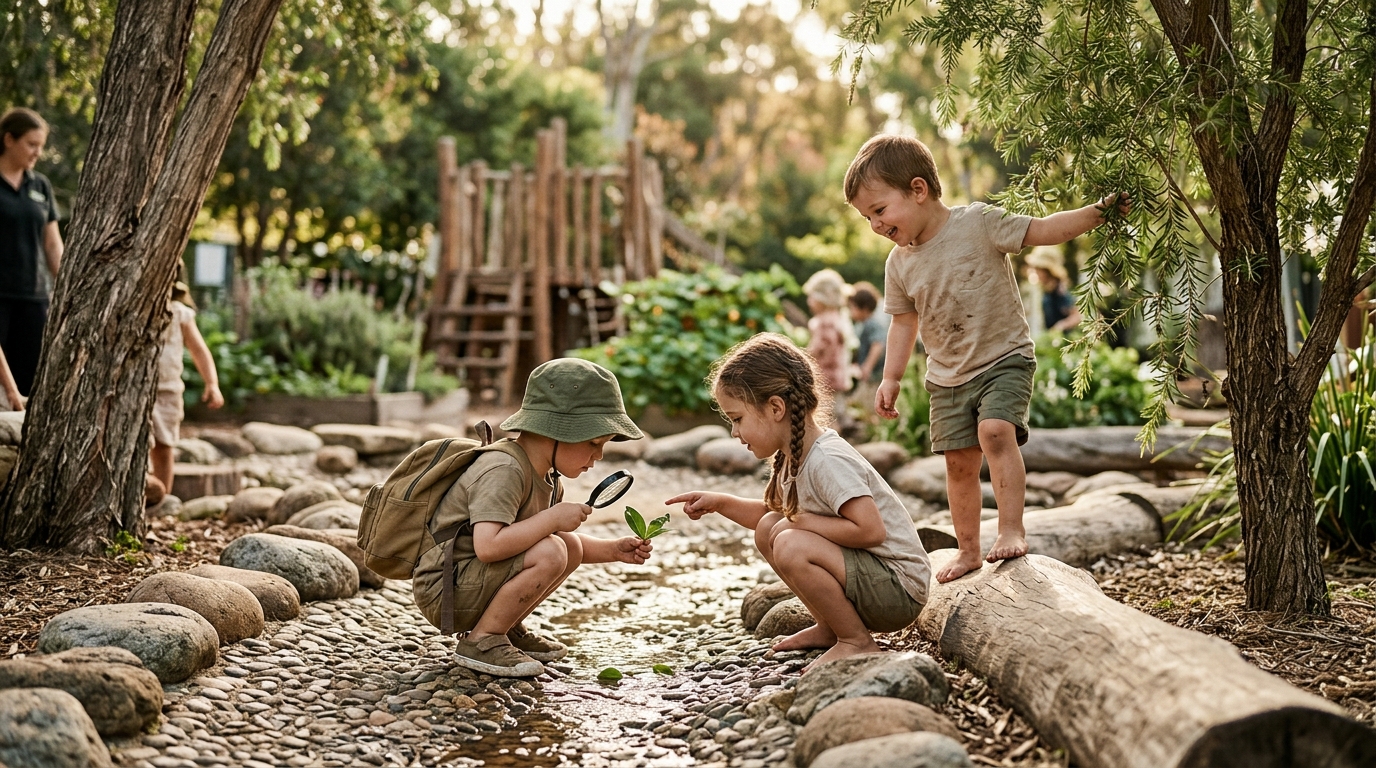
Research indicates that children who engage in regular outdoor learning activities demonstrate significantly higher levels of physical activity and emotional regulation compared to their peers in traditional indoor settings. According to a comprehensive review by the University of Queensland, early childhood environments that integrate natural elements foster stronger cognitive resilience and social cooperation. This guide explores how nature-based pedagogy translates into tangible developmental milestones for children aged six weeks to six years.
Understanding Nature-Based Pedagogy
Nature-based early learning is not simply about taking children outside for play. It is a structured educational approach that uses the natural environment as a primary teacher. This methodology relies on the concept that direct interaction with the natural world stimulates neural pathways associated with curiosity, risk assessment, and creative problem-solving. At Little Scholars, this philosophy is embedded in our curriculum through programs like Outdoor Explorers, which encourages children to engage with the local ecosystem.
The core of this approach is play-based learning. Unlike rigid instructional models, nature-based pedagogy allows children to lead their exploration. When a child navigates uneven terrain or builds a shelter from fallen branches, they are engaging in complex engineering and physics concepts without formal instruction. This aligns with the Little Scholars Difference, which prioritizes holistic development over rote memorization.
Environmental sustainability is also a key pillar. By spending time in nature, children develop an early sense of stewardship. They learn to respect living organisms and understand the interconnectedness of ecosystems. This early exposure creates a foundation for lifelong environmental responsibility, a value that is increasingly critical in modern society.
Physical Health and Motor Skill Metrics
One of the most measurable outcomes of nature-based learning is the improvement in gross motor skills. Outdoor environments offer varied topography, including slopes, logs, and uneven ground, which challenge a child's balance and coordination. Studies published in the Journal of Physical Activity and Health show that children in outdoor preschools have higher levels of physical activity and lower rates of obesity compared to those in indoor-only settings.
Gross motor development includes running, jumping, climbing, and balancing. In a natural setting, these activities are not forced but emerge organically from the desire to explore. For example, climbing a small hill requires core strength and leg power, while navigating around trees improves agility and spatial awareness. These movements are essential for developing the muscle strength required for later academic tasks, such as holding a pencil.
Fine motor skills also benefit from nature play. Manipulating natural materials like mud, sand, leaves, and sticks requires precise hand-eye coordination. Building a small dam in a creek bed, for instance, demands delicate finger movements and sustained attention. This type of tactile engagement strengthens the small muscles in the hands and fingers, preparing children for writing and other fine motor tasks.
Physical resilience is another significant outcome. Exposure to natural elements helps children develop a robust immune system. Research from the Lancet Planetary Health suggests that exposure to diverse microbial environments in nature can reduce the risk of allergies and asthma. This "hygiene hypothesis" supports the idea that early exposure to natural microbes helps train the immune system to respond appropriately to environmental triggers.
Cognitive and STEM Outcomes
Nature-based learning provides a rich context for Science, Technology, Engineering, and Mathematics (STEM) concepts. When children observe plants growing, they are witnessing biological processes in real-time. They learn about life cycles, photosynthesis, and the needs of living organisms. This hands-on experience makes abstract scientific concepts concrete and understandable.
Engineering skills are developed when children build structures using natural materials. They learn about stability, balance, and structural integrity through trial and error. For example, when building a fort, children must figure out how to arrange branches so that they do not collapse. This iterative process of testing and refining is the essence of engineering design.
Mathematical thinking is also enhanced through nature play. Children naturally encounter concepts such as counting, sorting, measuring, and pattern recognition. They might count the number of pinecones they collect, sort leaves by size or color, or measure the depth of a puddle. These activities make mathematics relevant and engaging, fostering a positive attitude toward STEM subjects early in life.
At Little Scholars, we integrate STEM Education for Early Childhood into our outdoor programs. Our educators guide children to ask questions, make predictions, and conduct simple experiments. This approach nurtures critical thinking and problem-solving skills that are essential for future academic success.
Emotional Regulation and Mental Wellbeing
The impact of nature on mental health is profound. Natural environments have been shown to reduce stress and anxiety levels in children. The calming effect of green spaces helps regulate the nervous system, allowing children to feel more relaxed and focused. This is particularly beneficial for children who may experience sensory overload in busy indoor environments.
Emotional regulation is a key developmental milestone. Nature provides a safe space for children to express and process their emotions. The open space allows for physical release of energy, which can help alleviate frustration or anger. Additionally, the unpredictability of nature teaches children adaptability and resilience. When a plan fails due to weather or terrain, children learn to adjust their expectations and find alternative solutions.
Attention Restoration Theory (ART) suggests that natural environments help restore directed attention fatigue. In a world where children are increasingly exposed to screens and structured activities, nature offers a restorative break. This restoration of attention allows children to return to focused tasks with renewed energy and concentration. Research cited by the Frontiers in Psychology supports the notion that time in nature improves cognitive function and reduces symptoms of ADHD.
Our Health & Wellbeing initiatives emphasize the importance of mental health in early childhood. By providing regular opportunities for nature-based play, we support children's emotional development and help them build coping strategies for life's challenges.
Social Competence and Community Connection
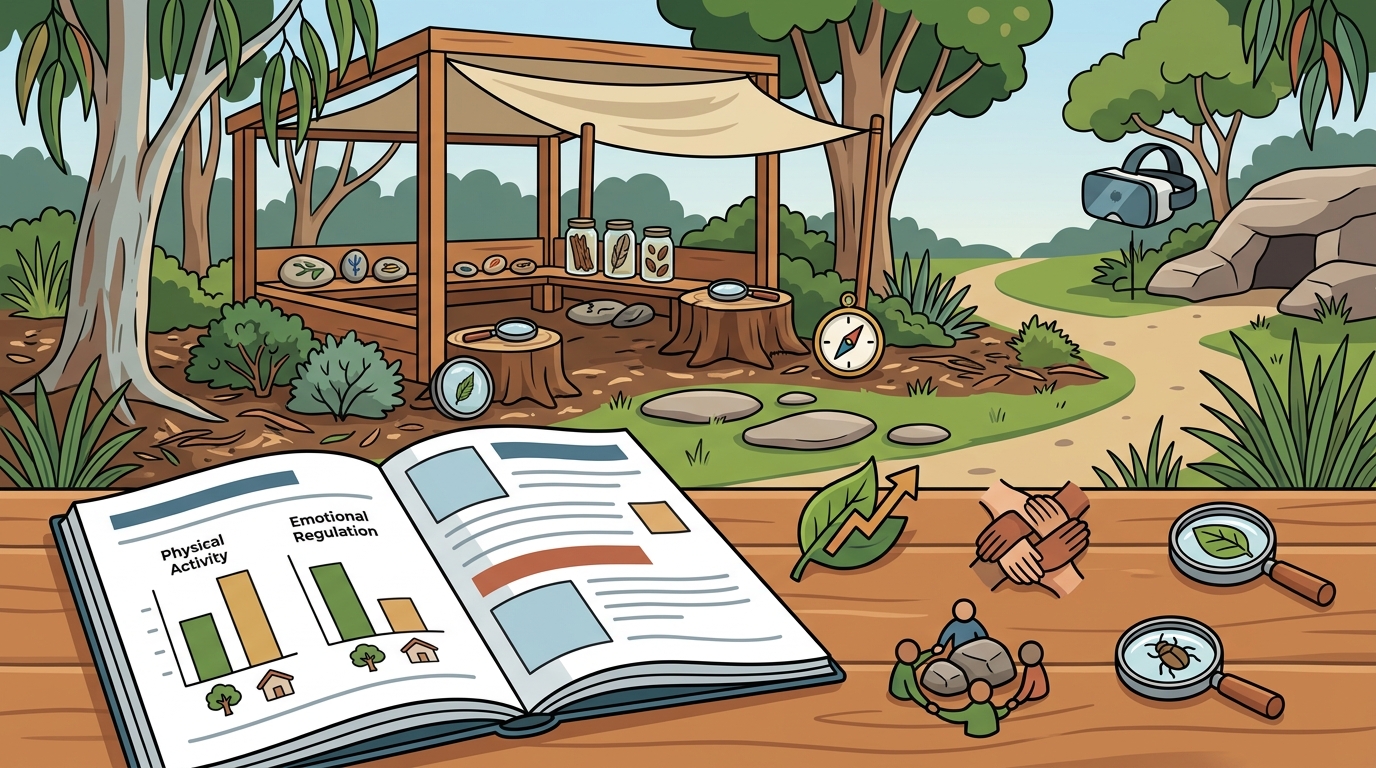
Nature-based learning fosters strong social skills. Outdoor play often involves cooperative games and collaborative projects, which require communication, negotiation, and teamwork. Children learn to share resources, take turns, and resolve conflicts in a natural context. These interactions are essential for developing empathy and understanding social norms.
Community connection is another vital aspect. Nature-based programs often involve visits to local parks, gardens, and natural reserves. These experiences help children feel connected to their local environment and community. They learn about the history and culture of the land, fostering a sense of belonging and identity.
At Little Scholars, we emphasize Parent Involvement in our nature-based programs. We encourage families to continue nature exploration at home, strengthening the bond between the child, the family, and the community. This holistic approach ensures that the benefits of nature-based learning extend beyond the classroom.
Our Annual Events and Experiences often include outdoor components, such as Camp Out and Science Fairs. These events bring families together and celebrate the joy of learning in nature. They create lasting memories and reinforce the value of community and shared experiences.
Indigenous Cultural Integration
A critical component of nature-based learning in Australia is the integration of Indigenous culture and knowledge. Aboriginal and Torres Strait Islander peoples have a deep connection to Country, viewing the land as a living entity that sustains life. This perspective offers valuable insights into environmental stewardship and holistic wellbeing.
Little Scholars is committed to Acknowledging Country and embedding Indigenous culture into our curriculum. We work with local Indigenous communities to ensure that our programs respect and celebrate First Nations heritage. This includes learning about native plants, animals, and traditional land management practices.
By integrating Indigenous perspectives, we provide children with a more comprehensive understanding of the natural world. They learn to respect the land and appreciate the diverse cultural histories associated with it. This fosters inclusivity and cultural competence, preparing children to be respectful and informed citizens in a multicultural society.
Our educators are trained to facilitate these cultural connections with sensitivity and accuracy. We ensure that our programs are authentic and meaningful, avoiding superficial or stereotypical representations. This commitment to cultural integrity is central to our Teaching Philosophy.
Comparing Learning Models
Understanding the unique benefits of nature-based learning requires comparing it with other early childhood education models. The table below summarizes the key differences in focus and outcomes.
| Learning Model | Primary Focus | Key Developmental Outcomes | Role of Nature |
|---|---|---|---|
| Play-Based Learning | Child-led exploration and creativity | Problem-solving, imagination, social skills | Central environment for discovery |
| Academic-Focused | Structured instruction and skill acquisition | Literacy, numeracy, discipline | Minimal or simulated |
| Montessori | Self-directed activity and specialized materials | Independence, concentration, order | Supplementary outdoor time |
| Reggio Emilia | Collaborative project-based learning | Communication, collaboration, expression | Source of inspiration and materials |
While each model has its merits, nature-based learning offers a unique combination of physical, cognitive, and emotional benefits. It addresses the whole child, promoting development across multiple domains simultaneously. This holistic approach is particularly effective in the early years, when brain development is most rapid and malleable.
At Little Scholars, we do not view these models as mutually exclusive. Instead, we integrate elements from various approaches to create a comprehensive and balanced curriculum. Our Curriculum is designed to meet the diverse needs of each child, ensuring that they receive the support and challenges necessary for optimal growth.
Key Takeaways
- Physical Health: Nature-based programs significantly improve gross and fine motor skills, physical resilience, and immune system development.
- Cognitive Growth: Outdoor learning enhances STEM understanding, critical thinking, and problem-solving abilities through hands-on experimentation.
- Emotional Wellbeing: Exposure to natural environments reduces stress, improves attention span, and fosters emotional regulation and resilience.
- Social Skills: Collaborative nature play promotes teamwork, communication, and conflict resolution skills.
- Cultural Integration: Embedding Indigenous perspectives enriches the learning experience and fosters respect for First Nations culture and Country.
- Holistic Development: Nature-based learning addresses the whole child, promoting balanced development across physical, cognitive, and emotional domains.
- Community Connection: Regular engagement with local natural environments strengthens children's sense of belonging and environmental stewardship.
Frequently Asked Questions
What is nature-based early learning?
Nature-based early learning is an educational approach that uses the natural environment as a primary context for teaching and learning. It integrates outdoor play and exploration into the curriculum to promote holistic child development.
How does nature play improve motor skills?
Nature play improves motor skills by providing varied terrain and natural materials that challenge balance, coordination, and strength. Activities like climbing, jumping, and manipulating objects build both gross and fine motor abilities.
Is nature-based learning safe for young children?
Yes, when appropriately supervised, nature-based learning is safe and beneficial. Educators assess risks and provide guidance to ensure children can explore safely while developing risk assessment skills.
How does Little Scholars integrate Indigenous culture?
Little Scholars integrates Indigenous culture by acknowledging Country, collaborating with local communities, and incorporating First Nations perspectives and knowledge into our outdoor learning programs.
What are the cognitive benefits of outdoor learning?
Outdoor learning enhances cognitive benefits by providing real-world contexts for STEM concepts, fostering curiosity, and improving attention and problem-solving skills through hands-on exploration.
Can nature-based learning help with emotional regulation?
Yes, natural environments have a calming effect on the nervous system, helping children manage stress and regulate their emotions. The open space also allows for physical expression of feelings.
How can parents support nature-based learning at home?
Parents can support nature-based learning by encouraging outdoor play, exploring local parks, and engaging in simple nature activities like gardening or bird watching with their children.
Start Your Child's Nature-Based Journey
Discover the transformative power of nature-based early learning at Little Scholars. Our dedicated educators and thoughtfully designed programs provide the ideal environment for your child to thrive. Book a tour today to see how our outdoor explorers program can support your child's developmental milestones.