
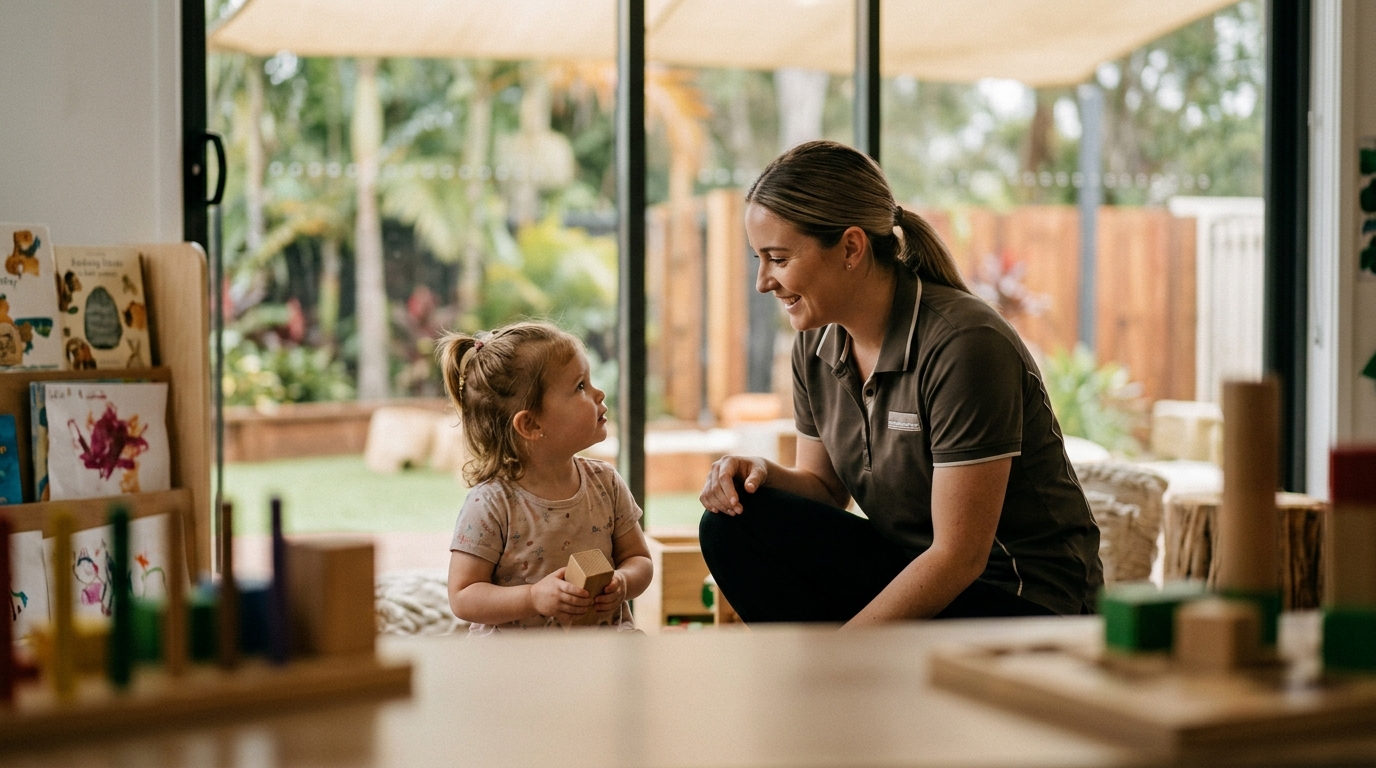
Choosing Childcare in Brisbane's Northern Suburbs: Essential Standards and Features to Evaluate
Finding the right early learning environment is one of the most significant decisions a family makes. In Brisbane's rapidly growing northern suburbs, the demand for high-quality childcare has surged, making it critical for parents to look beyond basic availability. According to the Australian Bureau of Statistics, the participation rate of mothers in the workforce has remained robust, driving a need for reliable, educational, and safe care options. This guide outlines the essential standards and features you must evaluate to ensure your child receives the best possible start in regions like Deception Bay, Ipswich, and the broader northern corridor.
Regulatory Compliance and Safety Standards
The foundation of any reputable childcare center is its adherence to strict government regulations. In Australia, the National Quality Framework (NQF) sets the benchmark for early childhood education and care. When evaluating centers in Brisbane's northern suburbs, you must verify that the center holds a current Rating of "Meeting or Exceeding National Standards." This rating is not merely a formality; it is a public declaration of the center's commitment to health, safety, and educational quality.
Child Safety is paramount. Look for centers that explicitly detail their child safeguarding policies. Little Scholars Commitment to Child Safety emphasizes rigorous screening processes for all staff, including Working with Children Checks and police clearances. Ask potential providers about their incident reporting procedures and how they communicate with parents during emergencies. A center that is transparent about its safety protocols demonstrates a proactive approach to risk management.
Additionally, consider the physical safety of the premises. Are there secure entry systems? Is the outdoor play area fenced and free from hazards? In the northern suburbs, where weather can vary from intense heat to heavy rainfall, covered outdoor spaces are a critical feature for year-round usability.
Educational Philosophy and Curriculum
Early childhood education is not one-size-fits-all. The educational philosophy adopted by a center will shape your child's daily experiences and long-term development. The Early Years Learning Framework (EYLF) is the guiding document for most Australian early childhood services, emphasizing outcomes such as identity, community connection, and well-being.
When touring centers, ask about their specific teaching philosophy. Do they prioritize play-based learning, STEM (Science, Technology, Engineering, and Mathematics) education, or a balanced approach? For instance, STEM Education for Early Childhood is increasingly important in preparing children for a digital future. Centers that integrate STEM through hands-on experiments and discovery-based activities help children develop critical thinking skills from a young age.
Another key aspect is literacy development. Programs like Abecedarian Reading offer evidence-based approaches to early literacy, focusing on phonemic awareness and vocabulary building. Inquire whether the center uses structured literacy programs or relies solely on informal exposure to books. A center that actively promotes reading through daily story times and interactive book sessions will give your child a significant advantage in school readiness.
Staffing Quality and Educator Ratios
The quality of care is directly correlated with the qualifications and stability of the staff. The National Law specifies maximum educator-to-child ratios, but high-quality centers often aim to exceed these minimums. For example, for children aged 2 to 3 years, the ratio is typically 1:4, but smaller groups can provide more individualized attention.
Look for centers where educators have tertiary qualifications in early childhood education. Qualified educators are trained to understand child development milestones and can create enriching learning environments. Teaching Philosophy documents should clearly outline how staff interact with children and how they support emotional regulation and social skills.
Staff retention is another critical indicator. High turnover can disrupt the attachment process for children, who rely on consistent caregivers for a sense of security. Ask about staff tenure and professional development opportunities. Centers that invest in ongoing training for their educators demonstrate a commitment to maintaining high standards of care and education.
Environmental Design and Outdoor Spaces
The physical environment plays a crucial role in learning and development. A well-designed center should feel like an extension of the home, with warm, inviting spaces that encourage exploration. Look for natural light, comfortable seating areas, and accessible resources that children can use independently.
Outdoor spaces are particularly important in Brisbane's climate. Centers that offer Outdoor Explorers (Bush Kinder) programs provide children with the opportunity to connect with nature, develop gross motor skills, and engage in unstructured play. These programs often take place in local parks or natural reserves, offering a unique educational experience that complements indoor learning.
Consider the sustainability practices of the center. Many modern centers incorporate eco-friendly features such as solar panels, rainwater tanks, and composting systems. Environment and Sustainability initiatives not only reduce the center's carbon footprint but also teach children valuable lessons about environmental stewardship from an early age.
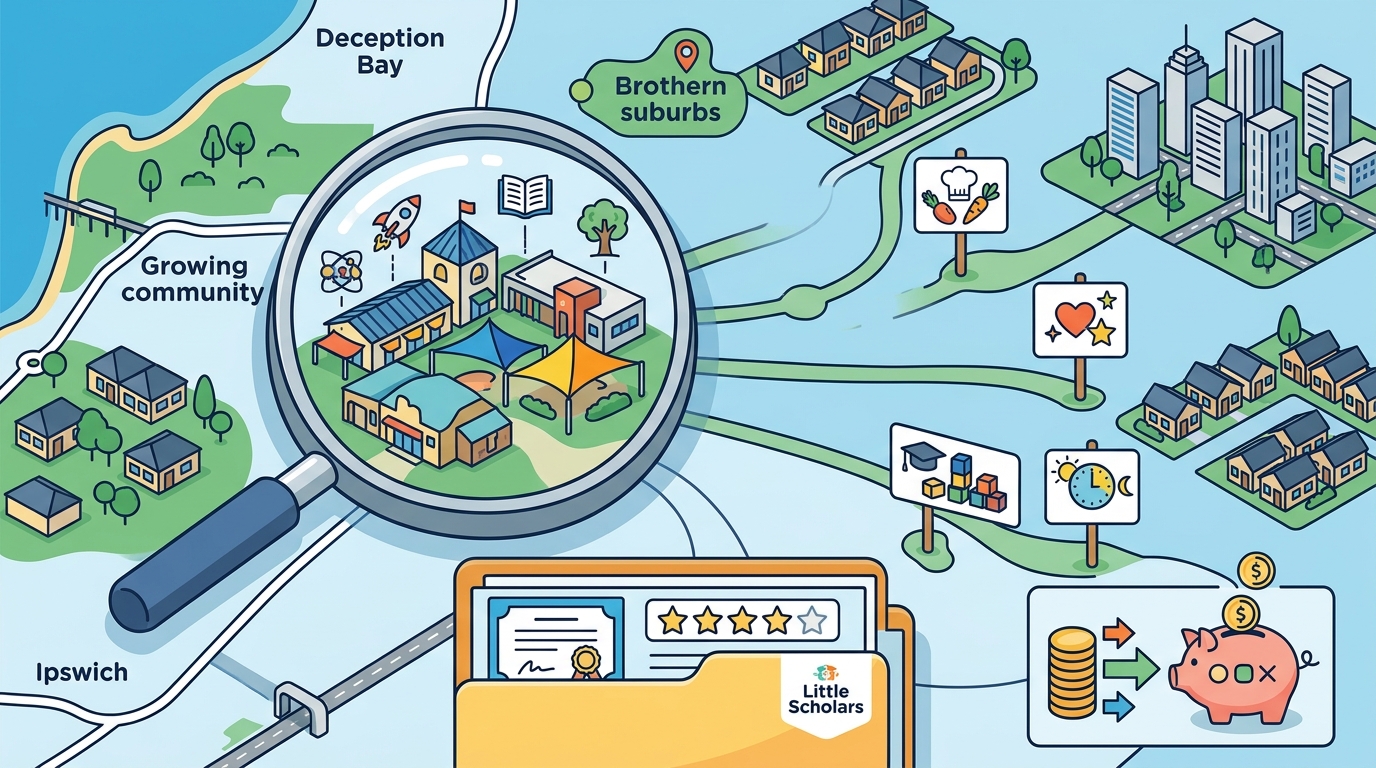
Community Integration and Cultural Respect
Childcare centers are microcosms of the broader community. A center that actively engages with its local community and respects cultural diversity provides a richer, more inclusive environment for children. Look for centers that celebrate cultural events and incorporate diverse perspectives into their curriculum.
In Australia, acknowledging the traditional owners of the land is an essential part of cultural competence. Acknowledgement To Country practices should be integrated into daily routines, helping children develop an understanding of Indigenous history and culture. Centers that partner with local Indigenous communities to share stories, art, and traditions demonstrate a genuine commitment to reconciliation and cultural respect.
Family involvement is another key feature. Centers that encourage parent participation through Parent Involvement programs create a strong support network for both children and families. Look for centers that offer regular communication channels, such as daily updates, parent-teacher meetings, and community events.
Comparing Key Childcare Features
To help you evaluate different centers in Brisbane's northern suburbs, here is a comparison of essential features:
| Feature | Why It Matters | What to Look For |
|---|---|---|
| National Quality Rating | Ensures compliance with safety and educational standards. | Rating of "Meeting or Exceeding National Standards". |
| Educational Philosophy | Shapes the daily learning experience and child development. | Clear documentation of play-based, STEM, or literacy focus. |
| Staff Qualifications | Directly impacts the quality of care and interaction. | Tertiary qualifications in early childhood education. |
| Outdoor Spaces | Supports physical development and connection with nature. | Secure, covered areas and access to natural environments. |
| Cultural Integration | Fosters inclusivity and respect for diversity. | Active acknowledgment of Indigenous culture and community events. |
Key Takeaways
- Regulatory Compliance: Always verify the center's National Quality Rating and child safeguarding policies.
- Educational Focus: Prioritize centers with clear STEM, literacy, or play-based learning frameworks.
- Staff Expertise: Look for qualified educators with low turnover rates and ongoing professional development.
- Environmental Design: Ensure the center offers safe, engaging indoor and outdoor spaces, including nature-based programs.
- Cultural Respect: Choose centers that actively integrate Indigenous culture and community engagement.
- Family Partnership: Seek centers that offer transparent communication and opportunities for parent involvement.
- Location Accessibility: Consider the center's proximity to your home or workplace in Brisbane's northern suburbs.
Frequently Asked Questions
What is the National Quality Framework (NQF)?
The National Quality Framework is a national system for regulating and improving the quality of early childhood education and care services in Australia. It includes the National Law, National Regulations, and the National Quality Standard.
How important is the educator-to-child ratio?
The educator-to-child ratio is crucial for ensuring individualized attention and safety. Lower ratios allow educators to better meet the specific needs of each child, supporting their emotional and educational development.
What is STEM education in early childhood?
STEM education in early childhood focuses on developing foundational skills in Science, Technology, Engineering, and Mathematics through hands-on, inquiry-based learning experiences that encourage curiosity and problem-solving.
Why is cultural integration important in childcare?
Cultural integration helps children develop respect for diversity, understand their own identity, and appreciate the histories and traditions of others, including Indigenous Australian cultures.
How can I assess a center's outdoor learning opportunities?
During a tour, observe the outdoor spaces for safety, variety, and natural elements. Ask about specific programs like Bush Kinder or outdoor explorers that take advantage of the local environment.
What should I look for in a center's communication policy?
Look for centers that provide regular updates on your child's day, progress, and any incidents. Transparent communication builds trust and keeps parents informed and involved in their child's care.
Are there financial incentives for childcare in Brisbane?
Yes, the Australian government provides the Child Care Subsidy (CCS) to help eligible families with the cost of childcare. The amount you receive depends on your family's income, activity levels, and the type of care you use.
Schedule Your Campus Tour
Choosing the right childcare center is a personal journey that requires careful consideration of your family's unique needs. By evaluating these essential standards and features, you can make an informed decision that supports your child's growth and development. Schedule a tour with Little Scholars School of Early Learning to experience our commitment to quality education, safety, and community engagement firsthand. Visit our Find a Campus page to locate a center near you in Brisbane's northern suburbs.