

Finding the right early learning environment is one of the most significant decisions a family makes. Childcare centres in Brisbane vary widely in their educational philosophies, operational structures, and community engagement strategies. With over 1,000 registered childcare providers across South East Queensland, parents face a complex landscape of choices. According to recent industry data, the average family spends approximately 30% of their household income on early childhood education and care. This financial and emotional investment necessitates a thorough understanding of what each centre offers beyond basic supervision. (Childcare Queensland Little Scholars)
Educational Philosophy and Curriculum
The core differentiator between childcare providers is their teaching methodology. Play-based learning is the national standard for early childhood education in Australia. This approach recognizes that children learn most effectively through active exploration and interaction with their environment. Little Scholars Early Learning Centres places a heavy emphasis on this pedagogy, ensuring that every activity is designed to foster holistic development.
Play-Based Learning Defined
Play-based learning is a pedagogical approach where children learn through activities that are enjoyable, engaging, and meaningful to them. It allows for the natural integration of literacy, numeracy, and social skills without the pressure of formal instruction. This method is critical during the first five years of a child's life, a period identified by developmental psychologists as the most rapid phase of brain growth.
When comparing centres, parents should ask how educators facilitate this play. Do they simply provide toys, or do they actively scaffold learning? At Little Scholars, educators are trained to observe children's interests and extend their learning through targeted interactions. This ensures that play is not just recreation, but a powerful tool for cognitive and emotional development.
STEM and Early Literacy Integration
Modern childcare centres are increasingly integrating STEM (Science, Technology, Engineering, and Mathematics) concepts into early years programs. This is not about teaching complex equations, but rather fostering curiosity and problem-solving skills. Little Scholars incorporates STEM education for early childhood through hands-on experiments and sensory play. For example, children might explore water density or build simple structures to understand balance and gravity.
Similarly, early literacy is a key focus. The Abecedarian approach to reading is a research-backed method that emphasizes rich language environments from infancy. By exposing children to a wide vocabulary and complex sentence structures in their daily routines, centres can significantly boost later academic success. Parents should look for centres that explicitly mention literacy frameworks in their curriculum documentation.
Campus Network and Accessibility
Geographic location and network size are practical considerations that impact daily life for working parents. Brisbane’s sprawling geography means that traffic and commute times can drastically affect family well-being. A centre with multiple locations offers flexibility, which is invaluable for families with children in different age groups or those who may need to switch campuses due to relocation.
Strategic Location Benefits
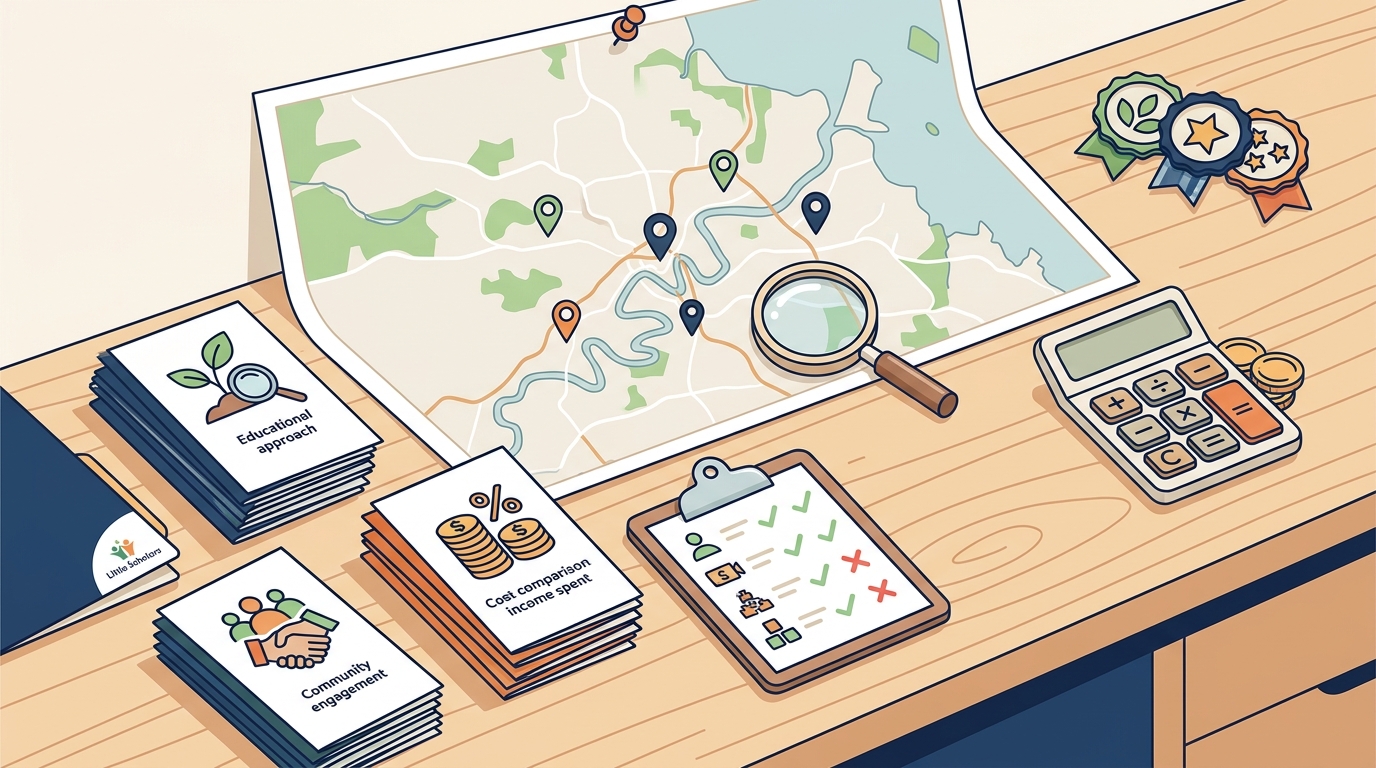
Little Scholars operates a strategic network of campuses across Brisbane, the Gold Coast, Ipswich, and Redland Bay. This extensive presence allows families to find a centre that is conveniently located near their home or workplace. For instance, the Brisbane City campus on George Street offers easy access for urban professionals, while the Deception Bay and Redland Bay campuses serve growing suburban communities.
The availability of multiple campuses also means that families can maintain continuity in their child’s education even if their circumstances change. If a parent moves within the same region, they can often transfer their child to a nearby campus without disrupting their learning journey. This stability is crucial for a child’s sense of security and belonging.
Community Integration
Beyond physical location, the centre’s integration into the local community is vital. Centres that actively engage with local Indigenous communities, for example, provide children with a deeper understanding of their cultural heritage. Little Scholars embeds Indigenous culture within its curriculum through regular Acknowledgements to Country and cultural experiences. This fosters respect and awareness in young children, helping them develop a positive identity and understanding of diversity.
Specialized Programs and Enrichment
While all centres offer core childcare services, many differentiate themselves through specialized enrichment programs. These extras can include outdoor education, music, art, and technology integration. Parents should evaluate which of these align with their child’s interests and developmental needs.
Outdoor and Nature-Based Learning
Outdoor explorers, often referred to as Bush Kinder, are a growing trend in early childhood education. These programs take learning outside the traditional classroom, utilizing natural environments to promote physical activity and environmental stewardship. Little Scholars offers Outdoor Explorers (Bush Kinder) as part of its curriculum, allowing children to connect with nature and develop resilience through unstructured play in natural settings.
Cultural and Seasonal Events
Annual events and experiences play a significant role in building community spirit. From Camp Out to Science Fairs, these events provide opportunities for families to engage with the centre’s culture. Little Scholars hosts a variety of events, including Book Week celebrations, Easter hunts, and graduation ceremonies. These moments create lasting memories and strengthen the bond between families, educators, and children.
When comparing centres, ask about their event calendar. A centre that prioritizes regular, meaningful events demonstrates a commitment to community building and family engagement. This can significantly enhance the overall experience for both children and parents.
Safety Standards and Child Protection
Safety is the non-negotiable foundation of any childcare service. Parents must ensure that any centre they consider meets or exceeds national regulatory standards. This includes staff-to-child ratios, physical environment safety, and rigorous staff screening processes.
Child Safety Commitment
Little Scholars has a documented Commitment to Child Safety that outlines its protocols for protecting children from harm. This includes mandatory background checks for all staff, continuous professional development in child protection, and clear reporting mechanisms for any concerns. Parents should review these policies during their tour to ensure they align with their own values.
Health and Hygiene Protocols
In the post-pandemic era, health and hygiene protocols have become even more critical. Centres must maintain high standards of cleanliness and have clear procedures for managing illness. This includes regular sanitization of toys and surfaces, handwashing routines, and communication with parents regarding outbreaks. A centre that is transparent about its health practices provides parents with peace of mind.
Financial Support and Subsidies
The cost of childcare is a major factor for most families. Understanding the financial support available can significantly impact the affordability of different centres. The Australian government provides the Child Care Subsidy (CCS) to help families with the cost of approved childcare services.
Understanding the CCS
The Child Care Subsidy is calculated based on family income, the type of childcare used, and the number of hours of approved care. It is paid directly to the provider, reducing the amount families pay out of pocket. Parents should use a CCS calculator to estimate their subsidy amount before enrolling. Little Scholars provides resources to help families understand and navigate the CCS system.
Additional Financial Benefits
Some centres offer additional financial benefits, such as free kindy programs or discounts for siblings. Little Scholars offers Free Kindy at select campuses, providing eligible children with access to high-quality early education at no cost. This can be a significant advantage for families with multiple children entering the system.
| Feature | Little Scholars Early Learning | Typical Independent Centre |
|---|---|---|
| Educational Philosophy | Play-based with STEM and Abecedarian Literacy integration | Varies; often play-based but less structured |
| Campus Network | Multiple locations across Brisbane, Gold Coast, Ipswich | Single location |
| Specialized Programs | Bush Kinder, Wondernest VR, Annual Events | Basic outdoor play |
| Child Safety | Comprehensive Child Safety Commitment | Regulatory minimum compliance |
| Financial Support | Free Kindy options, CCS guidance | CCS only |
Key Takeaways
- Educational Depth: Look for centres that explicitly integrate STEM and literacy frameworks, such as the Abecedarian approach, into their play-based curriculum.
- Network Flexibility: Centres with multiple campuses, like Little Scholars, offer greater flexibility for families with changing needs or locations.
- Cultural Competence: Centres that embed Indigenous culture and community engagement provide a more inclusive and enriching environment for all children.
- Safety First: Verify that the centre has a robust Child Safety Commitment and transparent health protocols.
- Financial Clarity: Understand your CCS entitlements and inquire about additional benefits like free kindy or sibling discounts.
- Community Engagement: Centres with regular annual events and family involvement programs foster a stronger sense of community.
- Outdoor Learning: Access to nature-based programs like Bush Kinder supports physical and emotional development.
Frequently Asked Questions
What is the difference between play-based learning and formal schooling?
Play-based learning allows children to explore and discover concepts through guided play, whereas formal schooling involves structured instruction. Play-based learning is developmentally appropriate for early years and fosters creativity and problem-solving skills.
How does the Child Care Subsidy (CCS) work?
The CCS is a government payment that helps with the cost of approved childcare. It is calculated based on family income and hours of care, and is paid directly to the provider to reduce your fees.
What is Bush Kinder?
Bush Kinder is an outdoor education program where children spend time in natural environments to develop physical, social, and emotional skills through unstructured play.
Does Little Scholars offer free kindy?
Yes, Little Scholars offers Free Kindy at select campuses for eligible children, providing high-quality early education at no cost.
How do I book a tour?
You can book a tour by visiting the Book a Tour page on the Little Scholars website. Tours are available at all campuses across Brisbane and the Gold Coast.
What safety measures does Little Scholars have in place?
Little Scholars has a comprehensive Commitment to Child Safety, including staff screening, regular training, and strict health protocols. You can read more on their Child Safeguarding page.
How can I get involved in my child’s centre?
Centres like Little Scholars encourage parent involvement through various programs and events. You can learn more about parent involvement opportunities on their website.
Next Steps
Choosing the right childcare centre is a personal journey. By comparing educational philosophies, campus networks, and safety standards, you can make an informed decision that supports your child’s development. Little Scholars Early Learning Centres offers a unique blend of play-based learning, cultural inclusivity, and community engagement. To experience our approach firsthand, schedule a tour at a campus near you today.