
Selecting the Right Early Literacy Program for Your Child's Learning Needs
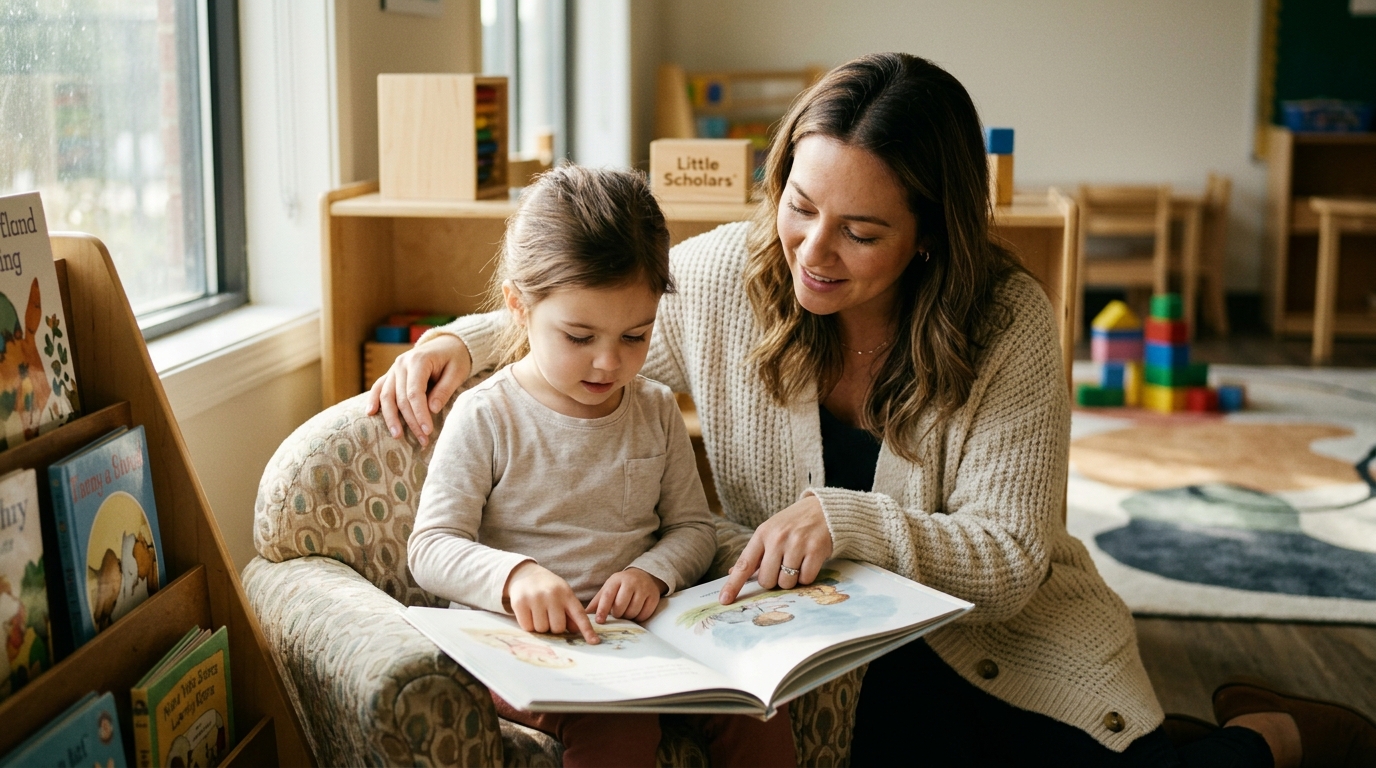
Early literacy development is the single most significant predictor of long-term academic success. According to the National Institute for Literacy, children who are not reading at grade level by the end of third grade are four times more likely to drop out of school. This statistic underscores why selecting the right early literacy program is not merely an educational preference but a critical developmental milestone. Parents in South East Queensland are increasingly seeking programs that move beyond rote memorization to foster genuine comprehension and a lifelong love of reading. (Childcare Queensland Little Scholars)
Understanding Core Literacy Methodologies
When evaluating early literacy programs, it is essential to understand the underlying pedagogical approaches. The landscape of early childhood education is diverse, ranging from phonics-heavy instruction to holistic, meaning-making frameworks. Phonics is a method of teaching reading that focuses on the relationship between letters and sounds. This approach is often cited as foundational for decoding text, particularly in the early years. (Childcare Parenting Blog Queensland)
Conversely, whole-language approaches emphasize exposure to authentic texts and context clues. While both methods have merit, modern early learning centers often adopt a balanced literacy approach. This hybrid model integrates explicit phonics instruction with rich reading experiences. At Little Scholars, we utilize the Abecedarian Reading program. This specific framework is designed to accelerate early reading skills by focusing on the foundational components of language before moving to complex text.
Understanding these distinctions helps parents ask the right questions during campus tours. You should inquire about how much time is dedicated to explicit phonics instruction versus independent reading. A robust program will balance these elements to ensure children can decode words while also comprehending their meaning.
Evaluating Curriculum Frameworks
In Australia, early childhood education is guided by the Early Years Learning Framework (EYLF). This national framework provides a comprehensive foundation for practicing excellence in early childhood education. It emphasizes outcomes such as children having a strong sense of identity, being connected with and contributing to their world, and being confident and involved learners.
When selecting a literacy program, verify that the center explicitly aligns its curriculum with the EYLF. This alignment ensures that literacy development is not isolated but integrated into broader developmental goals. For instance, literacy is not just about reading books; it is about communication, storytelling, and understanding the world.
Look for centers that publish their curriculum documents or teaching philosophies. Transparency in this area indicates a commitment to educational rigor. Centers that adhere strictly to the EYLF are better equipped to provide individualized learning plans that address the unique literacy needs of each child.
The Role of Play-Based Learning
Play-based learning is the cornerstone of effective early childhood education. Play-based learning is an educational approach where children learn through active exploration and interaction with their environment. This method is particularly effective for literacy development because it allows children to experiment with language in low-stakes, high-engagement contexts.
At Little Scholars, we emphasize play-based learning as a critical driver of cognitive and linguistic growth. Through dramatic play, children practice social language, narrative structures, and vocabulary. For example, a simple "shop" role-play can introduce concepts of money, counting, and persuasive language.
Parents should look for programs that view play not as a break from learning, but as the primary vehicle for it. If a center claims to offer "academic" literacy but lacks structured play opportunities, it may be missing a crucial component of early brain development. The integration of STEM education and literacy, such as through our STEM Education for Early Childhood initiatives, further demonstrates how play can drive complex conceptual understanding.
Technology and Digital Literacy
The digital landscape is rapidly changing how children interact with text. Digital literacy is no longer optional; it is a fundamental skill. Digital literacy is the ability to find, evaluate, and compose clear information through writing and editing on digital platforms. Early exposure to appropriate technology can enhance literacy by providing interactive reading experiences and visual aids.
However, the balance between screen time and traditional reading is a common concern for parents. Effective programs integrate technology purposefully rather than as a default babysitter. For instance, using virtual reality to explore the natural world, as seen in our Wondernest VR experiences, can spark curiosity that leads to deeper reading and research.
When evaluating a program, ask about their technology policy. Does it encourage passive consumption or active creation? The best programs use technology to extend literacy, such as recording children's stories or exploring digital libraries, rather than replacing the tactile experience of turning pages.
Cultural Inclusivity in Literacy
Literacy programs must reflect the diverse cultural backgrounds of the children they serve. In Australia, this includes a deep respect for Aboriginal and Torres Strait Islander histories and cultures. Cultural inclusivity in education means ensuring that all students see themselves represented in the curriculum and learning materials.
Literature plays a vital role in this inclusivity. Children need access to books that feature diverse characters, settings, and narratives. At Little Scholars, we are committed to embedding Indigenous culture within our curriculum. This involves acknowledging Traditional Custodians and incorporating Indigenous storytelling traditions into our daily programs.
Parents should inquire about the diversity of the book collection at a prospective center. Are there books that reflect the local community? Are there resources that teach children about First Nations perspectives? A culturally responsive literacy program fosters empathy and broadens the child's worldview, making reading a more inclusive and enriching experience.
Key Selection Factors for Parents
Selecting the right program requires a systematic approach. Below is a summary of key factors to consider when comparing early literacy programs.
| Factor | Description | Why It Matters |
|---|---|---|
| Teaching Philosophy | The core beliefs guiding instruction (e.g., play-based vs. direct instruction). | Ensures alignment with your family's values and your child's learning style. |
| Curriculum Framework | The structured plan for learning outcomes (e.g., EYLF alignment). | Guarantees that literacy development meets national standards. |
| Staff Qualifications | The educational background and experience of educators. | Qualified educators can identify and support individual literacy delays early. |
| Resource Diversity | The variety and quality of books and learning materials available. | Exposure to diverse texts builds vocabulary and cultural awareness. |
| Family Engagement | How the center involves parents in the literacy journey. | Home support is critical for reinforcing skills learned at the center. |
When visiting campuses, use this table as a guide. Take notes on how educators discuss these factors. Do they speak passionately about their teaching philosophy? Are they able to articulate how they support individual learners? These interactions are often more telling than the physical environment alone.
Key Takeaways
- Early literacy is a critical predictor of academic success, with third-grade reading levels being a key milestone.
- Programs should balance explicit phonics instruction with rich, authentic reading experiences.
- Alignment with the Early Years Learning Framework ensures national standards are met.
- Play-based learning is the primary vehicle for cognitive and linguistic development in early childhood.
- Digital literacy must be integrated purposefully to enhance, not replace, traditional reading.
- Cultural inclusivity, including Indigenous perspectives, is essential for a comprehensive literacy curriculum.
- Little Scholars utilizes the Abecedarian Reading program to accelerate early skills.
Frequently Asked Questions
What is the Abecedarian Reading program?
The Abecedarian Reading program is a structured early literacy framework designed to accelerate reading skills by focusing on foundational language components before moving to complex text. It is used at Little Scholars to ensure all children build a strong decoding and comprehension base.
How does play-based learning support literacy?
Play-based learning supports literacy by providing context for language use. Through role-play and exploration, children practice vocabulary, narrative structures, and social communication in engaging, memorable ways.
Why is cultural inclusivity important in early literacy?
Cultural inclusivity ensures that all children see themselves represented in literature, fostering identity and empathy. It also exposes children to diverse perspectives, broadening their understanding of the world.
What role does technology play in early literacy?
Technology can enhance literacy through interactive stories and digital creation tools. However, it should complement, not replace, tactile reading experiences and face-to-face interaction.
How can parents support literacy at home?
Parents can support literacy by reading daily, engaging in conversations, and visiting libraries. Consistent exposure to language and print at home reinforces skills learned at the center.
What is the Early Years Learning Framework (EYLF)?
The EYLF is the national framework for early childhood education in Australia. It outlines the outcomes for children's development, including literacy, and guides educators in planning learning experiences.
How do I choose the right campus for my child?
Visit multiple campuses, ask about their teaching philosophy, and observe interactions between educators and children. Choose a location that feels welcoming and aligns with your educational values.
Next Steps
Selecting the right early literacy program is a significant decision that impacts your child's future. By understanding the methodologies, frameworks, and cultural considerations involved, you can make an informed choice. At Little Scholars, we are dedicated to providing a nurturing environment where literacy flourishes through play, exploration, and structured learning.
We invite you to experience our approach firsthand. Book a tour of one of our South East Queensland campuses to see how we integrate literacy into daily life. Our team is ready to answer your questions and help you find the perfect fit for your family.