
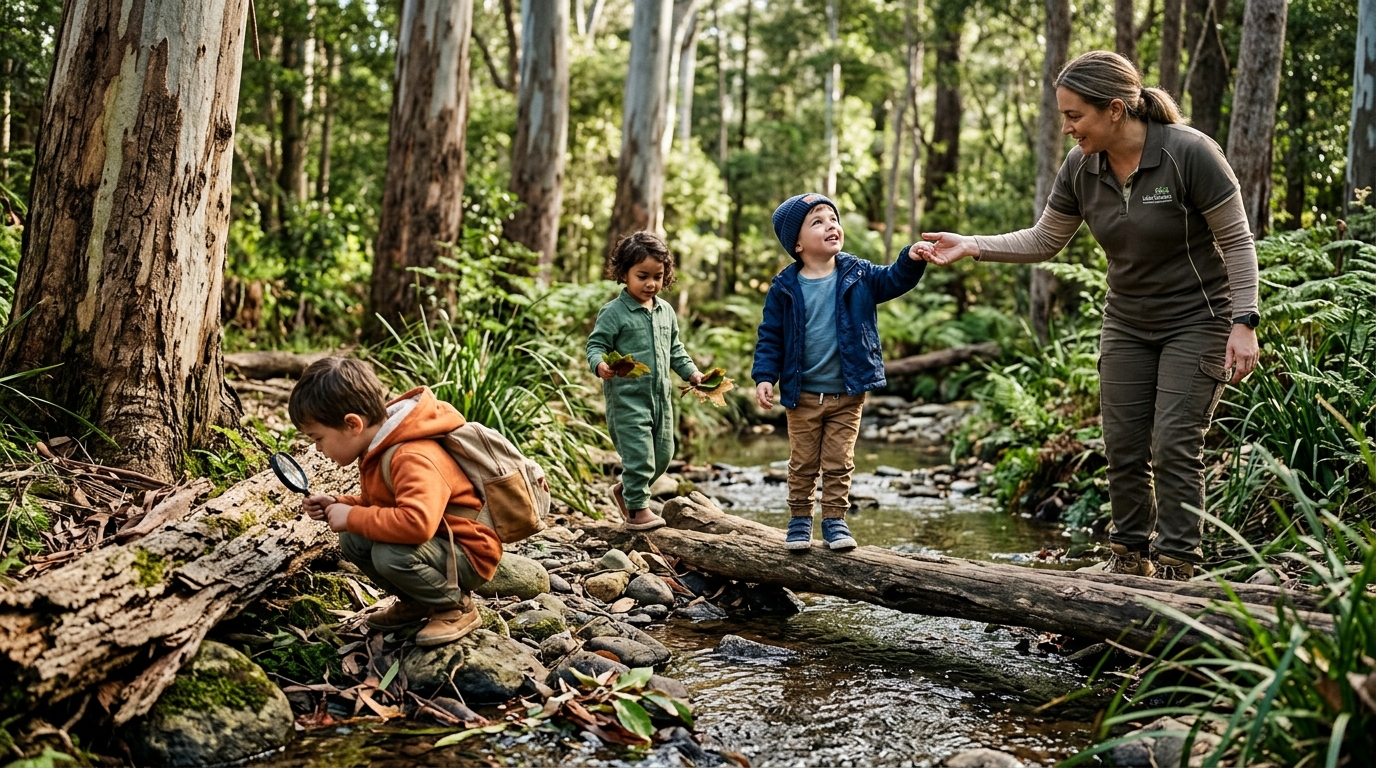
Outdoor education is no longer a niche preference but a fundamental component of early childhood development. According to recent educational research, children who engage in regular nature-based learning demonstrate significantly higher levels of physical activity and emotional resilience compared to their peers in traditional indoor settings. This shift reflects a broader understanding that the natural environment serves as a vital third teacher, offering unstructured opportunities for cognitive and social growth. As parents and educators seek to balance digital saturation with tangible experiences, the demand for high-quality Bush Kinder programs has surged across Australia.
Understanding the Bush Kinder Philosophy
Bush Kinder is an educational approach that utilizes the natural environment as the primary classroom. Unlike traditional early learning centers that rely on structured indoor play, Bush Kinder emphasizes unstructured exploration, risk-taking, and connection to country. This philosophy is rooted in the belief that nature provides a rich, dynamic context for learning that cannot be replicated indoors.
At Little Scholars, we view Bush Kinder as an extension of our commitment to holistic development. Our approach integrates Indigenous perspectives, ensuring that children learn about the land not just as a playground, but as a place of cultural significance and history. This aligns with the Acknowledgement to Country principles that guide our curriculum across all campuses.
The core tenet of Bush Kinder is freedom within boundaries. Children are encouraged to climb trees, build shelters, and navigate uneven terrain. These activities foster independence and problem-solving skills. Educators act as facilitators rather than directors, observing and supporting children as they engage in self-directed play. This method supports the Outdoor Explorers program, which is designed to build confidence and resilience in young learners.
Essential Features of Quality Programs
Not all outdoor programs are created equal. High-quality Bush Kinder initiatives share specific structural and pedagogical features that ensure both educational value and child safety. These features distinguish professional programs from casual outdoor play sessions.
1. Qualified Educators with Specialized Training
The foundation of any successful Bush Kinder program is the educator. Teachers must possess not only early childhood qualifications but also specific training in outdoor education, risk assessment, and first aid. They need the expertise to identify learning opportunities in the natural world and to manage the inherent risks of outdoor play. At Little Scholars, our leadership team supports educators to embed cultural competence and outdoor pedagogy into their daily practice, ensuring a consistent and high-quality experience.
2. Intentional Curriculum Integration
Quality Bush Kinder is not aimless wandering. It is grounded in the Early Years Learning Framework (EYLF) for Australia. Educators intentionally plan activities that target specific developmental milestones, such as fine motor skills through bark rubbing or scientific inquiry through insect observation. This intentional teaching ensures that outdoor play contributes directly to the child’s overall educational trajectory.
3. Appropriate Equipment and Gear
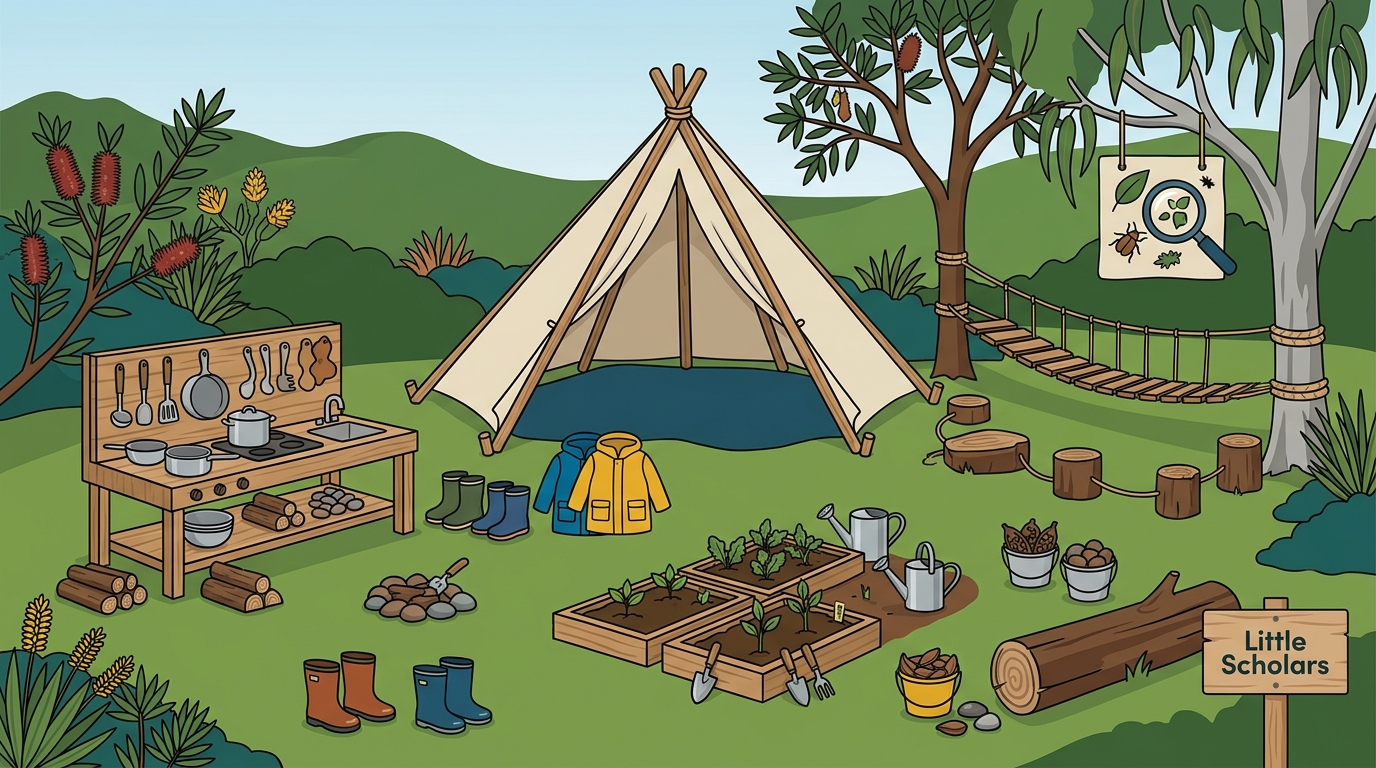
While the goal is minimalism, the right gear is essential. Quality programs provide or require appropriate clothing for all weather conditions, including rain boots, hats, and sun protection. Some programs also utilize tools like magnifying glasses, clipboards, and natural art supplies to extend the learning experience. Little Scholars ensures that all participants are equipped with the necessary resources to engage safely and comfortably with the environment.
4. Strong Family and Community Partnerships
Effective Bush Kinder programs maintain open lines of communication with families. This includes regular updates on what children are learning outdoors, advice on appropriate clothing, and opportunities for family involvement. Our Family Time Program exemplifies this commitment by inviting parents to participate in outdoor activities, strengthening the bond between home and the learning environment.
Safety Standards and Risk Management
Safety is the most critical concern for parents considering Bush Kinder. However, quality programs do not eliminate risk; they manage it. This concept, known as "beneficial risk," allows children to learn how to assess danger and develop physical competence. The following standards are non-negotiable in high-quality programs.
Risk-Benefit Assessments
Educators conduct regular risk-benefit assessments of the outdoor environment. This involves identifying potential hazards such as steep slopes, water bodies, or toxic plants. The assessment balances these risks against the developmental benefits of engaging with them. For example, climbing a tree carries a fall risk but offers significant benefits for gross motor development and confidence. Educators mitigate the risk by teaching proper climbing techniques and ensuring a safe landing zone.
Child-to-Educator Ratios
Maintaining appropriate ratios is vital for supervision. While the EYLF sets minimum standards, quality Bush Kinder programs often operate with lower ratios to ensure close monitoring in dynamic environments. This allows educators to provide individualized support and respond quickly to any incidents.
Emergency Preparedness
Every Bush Kinder program must have a robust emergency management plan. This includes first aid kits, communication devices, and clear protocols for evacuation and medical emergencies. Educators are trained in wilderness first aid and are prepared to handle injuries that may occur during outdoor play. Little Scholars is deeply committed to Child Safeguarding, ensuring that all safety protocols meet or exceed national standards.
Educational Benefits and Developmental Outcomes
The benefits of Bush Kinder extend far beyond physical health. Research indicates that regular exposure to nature supports cognitive, social, and emotional development. Understanding these benefits helps parents appreciate the value of outdoor education.
Physical Health and Motor Skills
Outdoor play promotes gross motor development through running, jumping, and climbing. The uneven terrain of natural environments challenges children to develop balance and coordination. This physical activity also combats sedentary lifestyles, contributing to better overall health. According to health data, children who engage in regular outdoor play have lower rates of obesity and improved cardiovascular health.
Cognitive Development and Creativity
Nature is a limitless source of inspiration. Unstructured play in the outdoors encourages creativity and imaginative thinking. Children build forts, create mud kitchens, and invent games using natural materials. This type of play fosters problem-solving skills and innovation. Studies show that children who engage in nature-based play demonstrate improved attention spans and reduced symptoms of ADHD.
Social and Emotional Wellbeing
Bush Kinder provides a unique context for social interaction. Without the structure of indoor toys, children must negotiate roles, share resources, and collaborate on projects. This fosters communication skills and empathy. Additionally, exposure to nature has been linked to reduced stress and anxiety levels. The calming effect of green spaces helps children regulate their emotions and develop resilience.
Cultural Connection
For Australian children, connecting with the land is also a cultural imperative. Quality Bush Kinder programs integrate Indigenous knowledge and perspectives, teaching children about the traditional owners of the land and the significance of native flora and fauna. This fosters respect for diversity and a sense of belonging. Our Annual Events and Experiences often include cultural celebrations that reinforce these connections.
Choosing the Right Provider
Selecting a Bush Kinder program requires careful consideration of several factors. Parents should look for providers who prioritize safety, educational integrity, and cultural inclusivity. The table below summarizes key comparison points for families evaluating different early learning options.
| Feature | Quality Bush Kinder Program | Low-Quality or Casual Program |
|---|---|---|
| Educator Qualifications | Qualified teachers with outdoor education training | Minimal training or unqualified staff |
| Curriculum | Intentional, EYLF-aligned learning outcomes | Unstructured or purely recreational |
| Safety Protocols | Comprehensive risk-benefit assessments and emergency plans | Basic supervision with limited contingency planning |
| Cultural Integration | Embedded Indigenous perspectives and Acknowledgement to Country | None or superficial inclusion |
| Family Engagement | Regular communication and family involvement opportunities | Limited or no parent interaction |
When evaluating providers, ask about their educator qualifications, their approach to risk management, and how they integrate cultural learning. Visit the campus and observe the interactions between educators and children. At Little Scholars, we invite families to Book a Tour to see our Bush Kinder program in action and experience our commitment to quality firsthand.
Key Takeaways
- Definition: Bush Kinder is an educational approach that uses the natural environment as a primary classroom for unstructured, play-based learning.
- Educator Expertise: High-quality programs require educators with specialized training in outdoor education and risk management, not just standard early childhood qualifications.
- Risk-Benefit Balance: Quality programs manage rather than eliminate risk, allowing children to develop resilience and physical competence through "beneficial risk" activities.
- Cultural Integration: Essential Bush Kinder programs embed Indigenous perspectives and Acknowledgement to Country into their daily curriculum to foster cultural respect.
- Developmental Impact: Regular outdoor play is linked to improved gross motor skills, enhanced creativity, reduced stress, and better social collaboration.
- Family Partnership: Strong programs maintain active communication with families and offer opportunities for parental involvement in the learning process.
- Little Scholars Commitment: Our Our Difference philosophy ensures that every Bush Kinder experience is safe, educational, and culturally enriching.
Frequently Asked Questions
What is the difference between Bush Kinder and regular outdoor play?
Bush Kinder is a structured educational approach grounded in the Early Years Learning Framework, whereas regular outdoor play is often unstructured and recreational. Bush Kinder involves intentional teaching, risk-benefit assessments, and cultural integration, led by qualified educators.
How do you ensure safety in a Bush Kinder program?
Safety is ensured through comprehensive risk-benefit assessments, appropriate child-to-educator ratios, specialized first aid training for staff, and clear emergency protocols. We focus on managing risk rather than eliminating it to promote child development.
What should my child wear for Bush Kinder?
Children should wear durable, weather-appropriate clothing. This includes sturdy boots, long pants, and hats for sun protection. We provide guidance on appropriate gear to ensure comfort and safety in all weather conditions.
Does Bush Kinder support Indigenous culture?
Yes, quality Bush Kinder programs integrate Indigenous perspectives and Acknowledgement to Country. We teach children about the traditional owners of the land and the significance of native plants and animals, fostering respect and understanding.
How does Bush Kinder benefit children with special needs?
The natural environment offers a sensory-rich setting that can be highly beneficial for children with special needs. The unstructured nature allows for self-paced exploration, and the calming effect of nature can help regulate sensory inputs.
What age groups participate in Bush Kinder?
Bush Kinder is typically offered for children in the preschool and kindergarten years, from approximately three to six years old. This age group benefits most from the gross motor and social development opportunities provided by outdoor play.
How can I learn more about Little Scholars Bush Kinder?
You can learn more by visiting our Bush Kinder page or by scheduling a tour. Our team is happy to discuss our curriculum, safety protocols, and how we support your child’s development.
Start Your Journey with Little Scholars
Give your child the gift of outdoor exploration and meaningful learning. At Little Scholars, we combine high-quality Bush Kinder programs with a nurturing, culturally responsive environment. Our campuses across Brisbane, Gold Coast, Ipswich, and Redland Bay are ready to welcome your family.
Discover how our Our Difference approach can support your child’s growth. Book a Tour today to experience our Bush Kinder program and see why families trust Little Scholars for their early learning needs.