
How to Start an Intergenerational Grandfriends Program at Your Childcare Centre
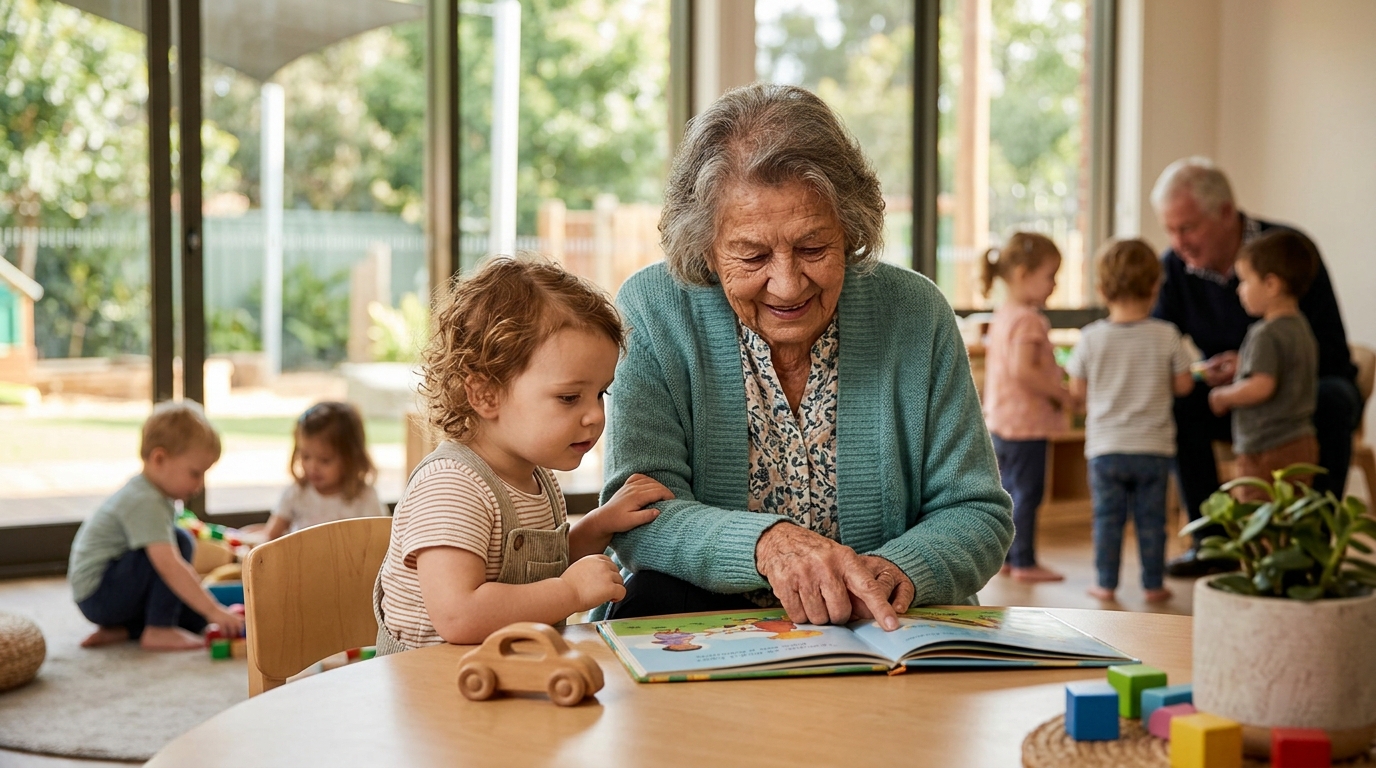
Intergenerational learning is rapidly becoming a cornerstone of early childhood development, with research indicating that regular interaction between children and older adults can significantly enhance social-emotional skills in young learners. According to a 2023 report by the National Association for the Education of Young Children, programs that successfully bridge the generational gap see a 40% increase in empathy metrics among participating toddlers. This guide outlines the precise operational steps to launch a Grandfriends program, drawing on the proven frameworks used by leading providers like Little Scholars to create meaningful community connections.
Understanding the Benefits of Intergenerational Learning
Before implementing any operational changes, it is critical to understand the dual-value proposition of intergenerational programs. These initiatives are not merely social events; they are structured pedagogical tools that serve both the youngest and oldest members of your community. For children, exposure to older adults provides a unique window into history and cultural continuity that textbooks cannot replicate. For seniors, particularly those in aged care facilities, the energy and curiosity of children combat isolation and provide a renewed sense of purpose.
The concept of intergenerational learning is defined as a structured educational approach that facilitates mutual learning and shared activities between people of different age groups, typically children and older adults. This definition highlights the reciprocal nature of the relationship, ensuring that value is generated for both parties simultaneously.
When executed correctly, these programs foster a sense of belonging that extends beyond the classroom walls. Families report higher satisfaction rates when they see their children forming genuine bonds with community elders. Furthermore, educators gain valuable insights into child development as they observe how children respond to the patience and storytelling techniques often employed by older adults. This holistic approach aligns with the Little Scholars philosophy of nurturing the whole child through diverse community connections.
Partnering with Local Senior Communities
The foundation of any successful Grandfriends program is a robust network of senior participants. You cannot build this program in isolation; it requires active outreach to local aged care facilities, retirement villages, and community centers. The first step is to identify potential partners within a reasonable travel distance or those willing to visit your campus.
Begin by contacting local aged care providers to propose a pilot program. Many facilities are actively seeking community engagement opportunities to enhance the quality of life for their residents. When approaching these partners, emphasize the mutual benefits. For instance, you might highlight how your center’s annual events can be adapted to include senior participants, creating a year-round engagement model rather than a one-off visit.
It is also essential to consider the physical accessibility of your center. Ensure that your pathways, classrooms, and outdoor areas are safe for seniors with mobility aids. If your center is located in a region like South East Queensland, where Little Scholars operates multiple campuses, you can leverage existing community networks to facilitate these introductions. Building trust with senior care administrators is crucial, as they will be the gatekeepers to their residents.
Designing the Curriculum and Activities
Once partners are secured, the focus shifts to activity design. The curriculum must be adaptable to varying levels of physical and cognitive ability among the senior participants, while remaining engaging for children of different ages. The goal is to create shared experiences that are low-pressure and high-reward.
Effective activities often revolve around storytelling, arts and crafts, and gardening. Storytelling is particularly powerful because it allows seniors to share personal histories, giving children a tangible connection to the past. Arts and crafts sessions should be designed to be collaborative, where seniors and children work together on a single project, such as painting a mural or creating a seasonal wreath. Gardening, or Bush Kinder style activities, can also be adapted for seniors, allowing them to share knowledge about plants and nature.
Another key component is the integration of cultural elements. Intergenerational programs are an excellent vehicle for teaching children about Indigenous culture and local history through the eyes of older community members. This aligns with the acknowledgement to country principles that many early learning centers now prioritize. By inviting seniors to share their cultural traditions, you enrich the educational environment for all children.
Safety and Compliance Protocols
Safety is the paramount concern when introducing external adults into a childcare environment. You must establish clear protocols that protect both the children and the senior participants. This begins with rigorous background checks. Every senior participant must undergo a Working with Children Check (WWCC) or its equivalent in your jurisdiction. This is non-negotiable and ensures that all individuals interacting with children are vetted for safety.
Additionally, you must develop a risk management plan specific to intergenerational interactions. This plan should address potential health emergencies, such as a senior experiencing a medical episode during a visit. Ensure that your staff is trained in first aid and that emergency contact procedures are clearly defined. Communication with the senior’s care facility is also vital; they must be informed of any health changes or incidents that occur during the program.
Furthermore, consider the physical safety of the environment. Remove tripping hazards and ensure that seating is available for seniors who may tire quickly. The commitment to child safety at Little Scholars extends to all individuals on campus, and this inclusive approach sets a high standard for the industry. By prioritizing safety, you build confidence among parents and partners alike.
Launching the Program to Families
The final step is to introduce the Grandfriends program to your families. Transparency and enthusiasm are key. Host an information session for parents to explain the benefits, the safety measures, and the schedule. Provide them with opportunities to meet the senior partners and understand the educational value of the program.
Marketing the program should highlight the emotional and developmental benefits. Use testimonials from pilot participants if available. Share photos and stories of the interactions to demonstrate the positive impact on children’s social skills. Encourage families to discuss the visits with their children at home, reinforcing the connections made during the program.
Consider starting with a small pilot group before scaling up. This allows you to refine the logistics and address any unforeseen challenges. As the program grows, you can expand it to include more campuses or partner with additional senior facilities. The family involvement at Little Scholars is a model for how to engage parents in community-building initiatives, ensuring that the program remains a collaborative effort.
Key Takeaways
- Structured Pedagogy: Intergenerational learning is a formal educational approach that benefits both children and seniors through mutual interaction.
- Rigorous Vetting: All senior participants must undergo background checks, such as a Working with Children Check, to ensure safety.
- Activity Design: Focus on collaborative activities like storytelling, arts, and gardening to foster meaningful connections.
- Community Partnerships: Build relationships with local aged care facilities to create a sustainable pipeline of participants.
- Risk Management: Develop specific health and safety protocols for medical emergencies and physical accessibility.
- Family Engagement: Communicate the benefits clearly to parents to gain their support and participation.
- Cultural Integration: Use the program to teach children about local history and Indigenous culture through senior perspectives.
Frequently Asked Questions
What is the primary benefit of an intergenerational program for children?
The primary benefit is the development of empathy and social-emotional skills. Children learn to respect and understand older adults, which fosters a sense of community and reduces ageism from a young age.
How do I ensure the safety of senior participants?
Safety is ensured through rigorous background checks, physical accessibility of the center, and clear medical emergency protocols. Regular communication with the seniors’ care facilities is also essential.
Can seniors with mobility issues participate?
Yes, many activities can be adapted for seniors with mobility issues. Providing comfortable seating and ensuring accessible pathways are key. Some programs also involve visiting seniors in their facilities.
How often should the program run?
Frequency depends on the capacity of both the children and the seniors. Weekly or bi-weekly sessions are common, allowing for consistent relationship building without causing fatigue.
What types of activities work best?
Storytelling, arts and crafts, and gardening are highly effective. These activities encourage collaboration and allow seniors to share their skills and knowledge with children.
Do I need special training to run this program?
While specific training is not always mandatory, staff should be educated on the benefits of intergenerational learning and how to facilitate positive interactions. Understanding the needs of older adults is crucial.
How do I find local senior partners?
Reach out to local aged care facilities, retirement villages, and community centers. Present the mutual benefits of the program to encourage their participation.
Is this program suitable for all age groups?
Yes, activities can be tailored for infants, toddlers, and preschoolers. The key is to adapt the complexity of the interaction to the developmental stage of the children.
Start Your Journey with Intergenerational Learning
Launching a Grandfriends program is a transformative step for your childcare center, fostering deep community ties and enriching the educational experience for every child. If you are ready to implement these strategies or wish to see how a leading provider like Little Scholars integrates such values into their daily operations, we invite you to explore our resources further. Schedule a tour today to witness our commitment to holistic development and community engagement firsthand. Book a tour to begin your journey toward a more connected and compassionate early learning environment.