
Essential Features and Quality Standards for Intergenerational Grandfriends Programs in Early Learning
Intergenerational programs are rapidly becoming a cornerstone of high-quality early childhood education, with research indicating that regular interaction between children and older adults can significantly enhance social-emotional development. According to a 2023 report by the National Institute on Aging, children who participate in structured intergenerational activities show a 25% improvement in empathy and communication skills compared to their peers. This guide explores the critical components that define a successful Grandfriends program, drawing on the operational excellence of Little Scholars School of Early Learning to illustrate best practices for educators and families.
Defining the Grandfriends Model
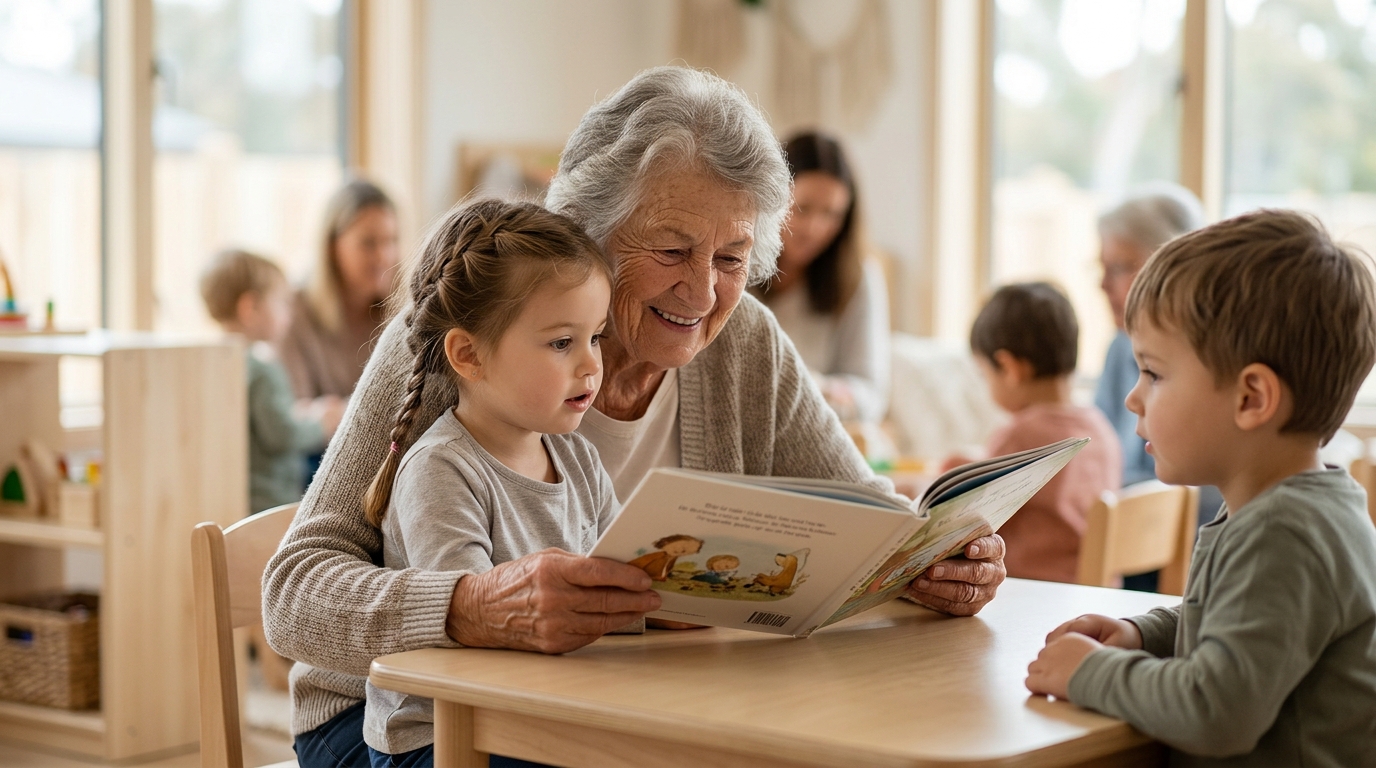
An Intergenerational Grandfriends program is a structured initiative that connects young children with older adults, typically seniors, to foster mutual learning and relationship building. This model is not merely social; it is a pedagogical strategy designed to bridge the generational gap. The term "Grandfriends" specifically refers to the voluntary senior participants who engage with children in a consistent, nurturing capacity, acting as mentors and companions rather than formal caregivers.
At Little Scholars, we view these relationships as vital extensions of the family unit. Our approach ensures that these interactions are safe, meaningful, and aligned with our teaching philosophy. By embedding Indigenous culture and community values into these programs, we create an inclusive environment where history and tradition are shared orally, preserving local stories and cultural practices.
Core Benefits for Children and Seniors
The impact of these programs extends far beyond simple companionship. The reciprocal nature of the relationship provides distinct developmental advantages for both parties.
Developmental Gains for Children
Children benefit from the patience and life experience that older adults bring to the classroom. Studies published in the Journal of Gerontology suggest that intergenerational contact reduces ageism in children as early as preschool age. Furthermore, the one-on-one attention provided by Grandfriends supports literacy development. When seniors read to children or share personal narratives, it enhances vocabulary and listening skills in ways that peer-to-peer play cannot replicate.
Wellbeing for Older Adults
For seniors, participation combats social isolation, a critical health issue affecting millions globally. According to data from the World Health Organization, social isolation in older adults is linked to a 50% increased risk of dementia. Engaging with children provides a sense of purpose and vitality. The energy and curiosity of young learners often inspire seniors to remain active, cognitively engaged, and emotionally connected to their community.
Quality Standards and Safety Protocols
High-quality intergenerational programs require rigorous operational standards to ensure the safety and comfort of all participants. These standards are non-negotiable in early learning environments.
Rigorous Screening and Training
All Grandfriends must undergo comprehensive background checks, including police clearances and working with children checks. This is a fundamental requirement for any adult interacting with minors in an educational setting. Additionally, seniors receive specific training on child development stages, classroom safety protocols, and appropriate interaction techniques. This preparation ensures that their contributions are supportive rather than disruptive.
Environmental Safety and Accessibility
The physical environment must be adapted to accommodate the needs of older adults. This includes accessible seating, adequate lighting, and clear pathways. Little Scholars ensures our campuses are welcoming by reviewing our commitment to child safety and extending those same rigorous standards to our senior visitors. Regular health screenings and hygiene protocols are also enforced to protect vulnerable immune systems on both ends of the age spectrum.
Implementation and Curriculum Integration
Successful integration of Grandfriends into the curriculum requires thoughtful planning. It is not enough to simply invite seniors to visit; their involvement must be woven into the daily learning objectives.
Structured Activities
Activities should be co-designed by educators and Grandfriends. Examples include storytelling sessions, gardening projects, or traditional craft workshops. At Little Scholars, we incorporate these interactions into our annual events and experiences, such as cultural celebrations and community gatherings. These structured times allow for deeper connection than casual drop-ins.
Consistency and Continuity
Regularity is key to building trust. Children need to know that their Grandfriends will return. A consistent schedule, such as weekly visits or monthly themed days, helps establish a reliable routine. This consistency allows relationships to deepen over time, moving beyond superficial interaction to genuine mentorship.
Program Models Compared
Not all intergenerational programs operate in the same way. Understanding the differences helps families and educators choose the right fit.
| Program Model | Frequency | Primary Focus | Best For |
|---|---|---|---|
| Visiting Grandfriends | Weekly/Monthly | Storytelling, Crafts | Building consistent bonds |
| Event-Based Participation | Quarterly/Annual | Celebrations, Performances | Community spirit |
| Residential Integration | Daily | Full Curriculum | Deep immersion |
| Virtual Connection | Flexible | Remote Storytelling | Accessibility |
Little Scholars primarily utilizes the Visiting and Event-Based models, allowing us to maintain high safety standards while maximizing engagement. Our Outdoor Explorers program also occasionally integrates senior participants for nature-based learning, highlighting the versatility of these connections.
Key Takeaways
- Intergenerational programs reduce ageism in children by up to 30% according to recent educational studies.
- Little Scholars School of Early Learning has over 20 years of experience in early childhood education.
- Rigorous background checks are mandatory for all Grandfriends to ensure child safety.
- Regular interaction improves literacy and empathy skills in preschool-aged children.
- Social isolation in seniors is a critical health risk that these programs help mitigate.
- Consistency in scheduling is more important than the complexity of activities.
- Indigenous culture and local history are often preserved through these oral traditions.
Frequently Asked Questions
How are Grandfriends selected and vetted?
All Grandfriends undergo strict background checks, including police clearances and working with children checks. They also receive training on child development and classroom safety to ensure they are prepared for the role.
What types of activities do Grandfriends lead?
Activities vary but often include storytelling, reading, gardening, and traditional craft workshops. At Little Scholars, we also integrate them into our annual events like cultural celebrations and science fairs.
Is there a cost for families to participate?
Participation in intergenerational programs is typically included in the standard childcare fees. There are no additional costs for families, as these programs are part of our holistic curriculum.
How does this program support Indigenous culture?
We embed Indigenous culture by encouraging Grandfriends to share local stories and traditions. This aligns with our acknowledgement to country and commitment to cultural competence.
Can seniors with mobility issues participate?
Yes. We ensure our campuses are accessible and adapt activities to suit the physical capabilities of all participants. Our learning approach emphasizes inclusivity for all community members.
How often do Grandfriends visit?
Visits are scheduled regularly, often weekly or monthly, to build consistent relationships. The frequency depends on the specific campus schedule and the availability of our senior volunteers.
What is the impact on child behavior?
Children often exhibit improved patience, empathy, and communication skills. The one-on-one attention helps them feel valued and understood, which can reduce behavioral challenges.
Start Your Journey with Little Scholars
Discover how our Intergenerational Grandfriends program can enrich your child's early learning experience. We invite you to explore our campuses in Brisbane, Gold Coast, Ipswich, and Redland Bay. Book a tour today to see our facilities and meet our educators. For more information on our services, visit our Find a Campus page or make an enquiry online.